Most Dangerous Trees Don't Look Dangerous
The calls we dread most aren't the ones where a homeowner says "I think my tree might be a problem." Those calls we can usually help with before anything goes wrong.
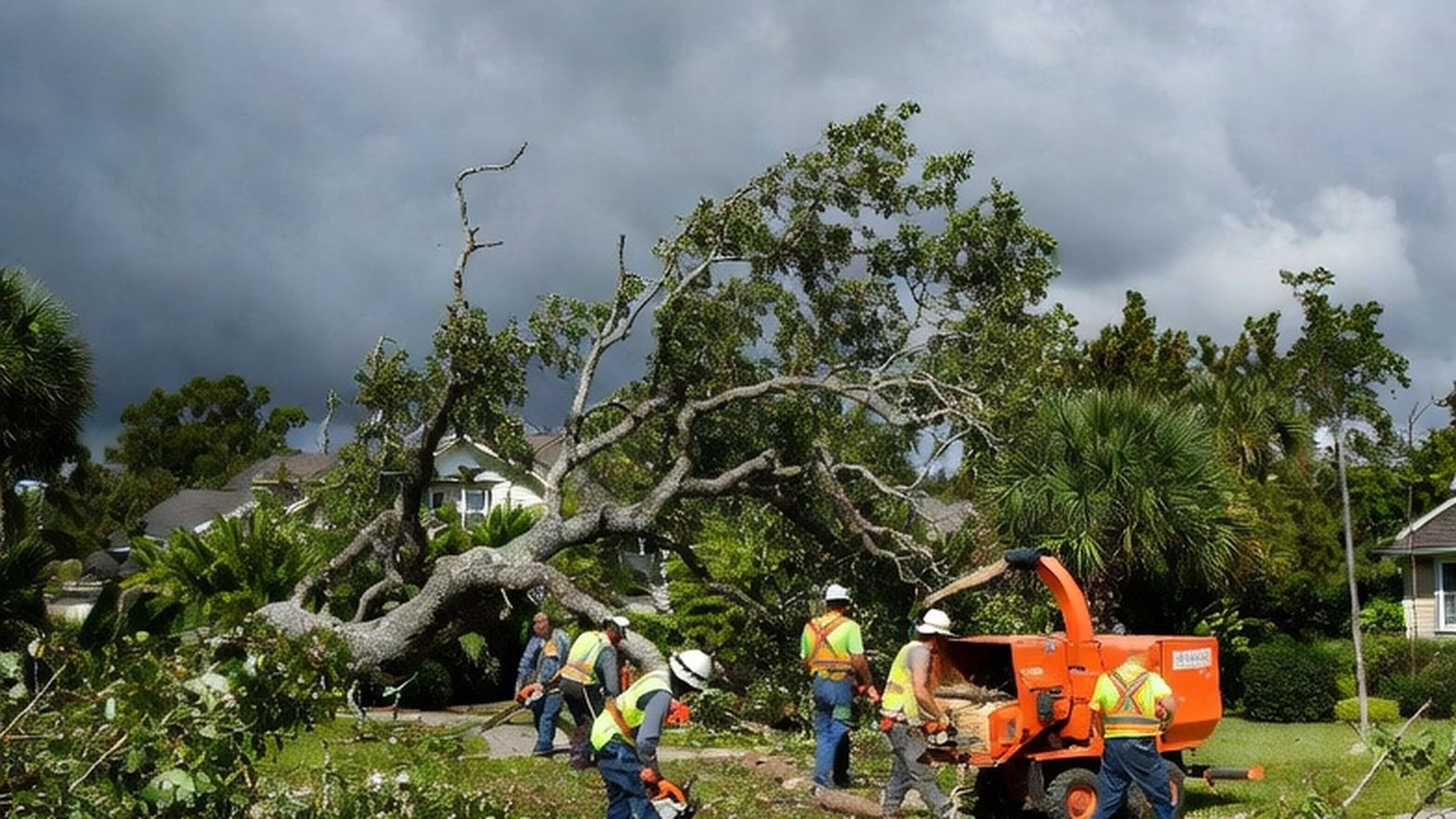
The calls we dread are the ones that start with "a tree just fell on my house."
The frustrating thing is that most tree failures (the ones that crush cars, damage roofs, or block driveways at 11 PM after a storm) don't come out of nowhere. There were signs. Signs that nobody noticed because they weren't looking, or signs that someone noticed but figured weren't that bad.
Here are the five warning signs we see on almost every tree that ends up being a problem. Check your trees. This is free advice that could save you a very expensive night.
1. Cracks or Splits in the Trunk or Major Limbs
A tree trunk with a vertical crack is telling you something. So is a major limb that has started to split away from the trunk, you'll often see a V-shaped opening at the connection point. These cracks mean the structural integrity of the tree (or that branch) is compromised.
Cracks develop slowly and can be subtle at first. Look for:
- Vertical lines in the bark that weren't there before
- A gap between a major limb and the trunk
- Areas where bark has fallen off in a line (often follows a crack underneath)
A tree with a crack in the trunk near ground level is one of the highest-risk situations we encounter. The whole tree can come down with minimal additional force.
2. Fungal Growth at the Base or on the Trunk
Mushrooms, shelf fungus (the bracket-shaped growths on the side of a trunk), or any visible fungal growth on a tree is a serious warning sign. Fungi grow by consuming dead or dying wood. If they're on your tree, the wood inside is decaying.
This is especially common in North Florida and South Georgia's humid climate. Our wet summers and warm winters create ideal conditions for wood-rotting fungi to establish and spread. A tree can look perfectly healthy from a distance while being significantly hollow inside.
The most dangerous scenario: a large tree with healthy-looking green leaves above, but a hollowed trunk at ground level. That tree can snap in a 30 mph wind even though the canopy looks fine.
3. Dead Branches in the Upper Canopy (Widow Makers)
"Widow maker" is the term arborists use for dead branches lodged in a tree's upper canopy. They look harmless, they haven't fallen yet, so they must be stuck, right?
The problem is that they don't stay stuck forever. A storm, a gust of wind, or just the continued decay of the wood holding them in place will drop them eventually. And a dead branch from 60 feet up will go through a car roof, a deck, or a person standing below.
If you have a tree with multiple large dead branches that haven't come down yet, that's not good luck, that's a timer. Get them removed before they decide when to fall.
4. Leaning That Has Changed (Especially After a Storm)
Every tree has some lean. The lean that matters is a lean that's changed: especially if it happened during or after a storm.
When a tree starts leaning more than it used to, it usually means the root system is being pulled out of the ground on the opposite side. Look for:
- Cracked or heaved soil on the side opposite the lean
- Exposed roots on one side
- A lean that appears to be worsening over weeks or months
A tree in active lean is a tree that is falling in slow motion. If you see heaved soil at the base, call a professional the same day.
5. Root Damage or Construction Near the Root Zone
This one is less dramatic-looking but causes more tree failures than most people realize. Tree roots extend far beyond the canopy drip line, often 2-3 times the radius of the crown. When roots are cut, compacted, or buried (by soil fill, concrete, pavement, or construction equipment), the tree loses its structural anchoring and its water and nutrient supply.
If you've had construction near a tree in the last 1-5 years, that tree may look fine today and fail in the next major storm. The damage was done years ago; the failure just happens when the tree finally can't hold against wind and weight.
What to Do If You See These Signs
Don't wait for the storm to decide for you.
An assessment and removal is a scheduled, controlled job. A tree that falls on your house is an emergency, an insurance claim, and possibly much worse. The cost of removing a hazardous tree before it falls is almost always less than the cost of cleaning up after it does.
Call us at (850) 570-4074 for a free estimate. We'll tell you exactly what we're looking at and what your options are, whether that's removal, pruning, cabling, or just monitoring. We serve Tallahassee, North Florida, and South Georgia and we give you a straight answer.
Request a free estimate online, available 24/7 for emergencies.