After a Cold Event: Wait Before You Prune
The most important rule about freeze-damaged plants in North Florida: do not prune immediately.
The impulse to cut back brown, drooping foliage right after a freeze is understandable, it looks like the plant is dead, and removing the damage feels productive. But cold-damaged plants often recover from zones that appear dead at the surface. Cutting too early removes material that was protecting dormant buds below, and removes the ability to assess how far down the damage actually went.
The standard guidance: wait until new growth has emerged and it's clear where the living tissue ends. In Tallahassee, this typically means waiting until March or April after a significant winter freeze before assessing and pruning.
How to Assess Freeze Damage
The scratch test. Scratch the bark on a stem or branch with a fingernail or knife tip. Live tissue under the bark is green and moist. Dead tissue is brown, dry, or discolored. Work from the branch tips inward, find where live tissue begins, and that's where you prune.
Look for new buds. Once temperatures warm in late February and March, watch for new growth. Buds emerging from a branch indicate that section is alive. No bud activity after other plants are actively growing is a sign the section didn't survive.
Check the root crown. For woody plants that lost all above-ground structure, check whether the root crown and base are still alive with the scratch test. Some plants will regenerate entirely from the root system even when everything above ground appears dead.
Species-Specific Considerations
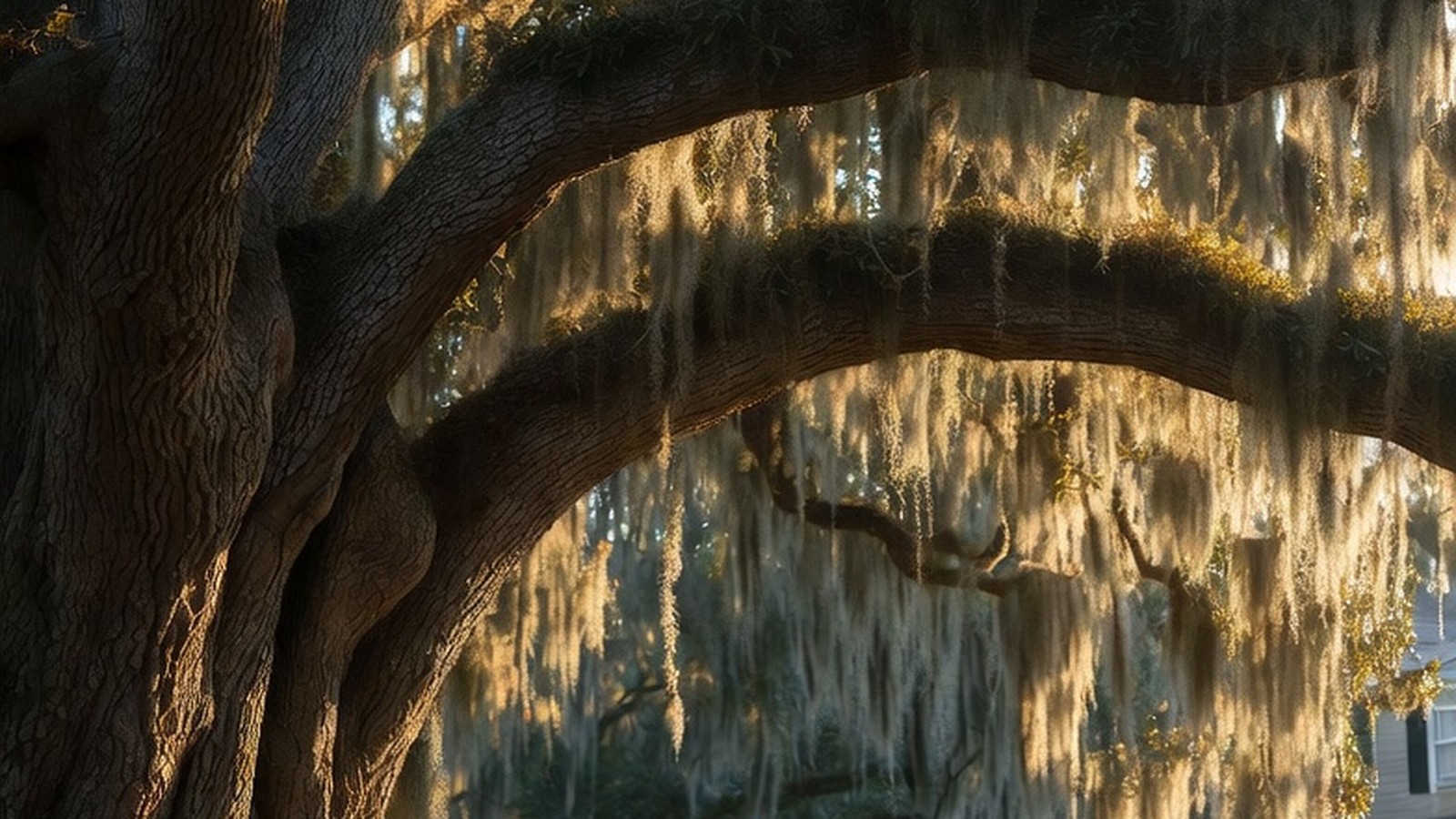
Live oaks: Live oaks in North Florida (zone 8b) are cold-hardy and rarely suffer significant damage in normal winters. In unusual cold events, leaf browning and drop can occur, this is typically cosmetic. New leaves emerge in spring before or alongside the old ones. True structural damage to established live oaks from cold is uncommon.
Tropical and subtropical species planted in North Florida: Zone 9 plants (bougainvillea, tibouchina, princess flower, certain gingers) are frost-tender and frequently die back to the ground in cold winters. Many regenerate from the root system. Wait until late spring to evaluate; these often look completely dead and recover.
Palms (terminal bud test: The critical question for a damaged palm is whether the terminal bud (growing point at the top of the trunk) survived. If the terminal bud is killed, the palm will not recover) there is no secondary growing point. To test: several weeks after a freeze, gently pull on the youngest spear (the upright frond emerging from the center of the crown). If it pulls out easily and is brown and mushy at the base, the terminal bud is likely dead and the palm won't recover. If it resists and the base is firm and white or pale green, the growing point is alive.
Don't prune palm fronds until you know the palm survived. Brown fronds provide some insulation to the terminal bud during continued cold. Once you're confident the palm survived and new growth is emerging, damaged fronds can be removed.
Sago palms (technically cycads, not true palms): These handle cold reasonably well but can suffer complete browning in significant freezes. New fronds emerging from the center are the indicator of survival.
Crape myrtles: Crape myrtles are cold-hardy in zone 8b and rarely suffer significant trunk damage. Dieback of the current year's growth tips sometimes occurs in hard freezes but the main structure survives. New growth emerges from the main branch structure in spring. Wait for this emergence before assessing; premature pruning is unnecessary.
Citrus and Fruit Trees
Citrus is cold-sensitive and North Florida is at the edge of its range. In significant cold events:
- Fruit: Lost if temperatures drop below 28°F for extended periods
- Leaves and small branches: Often killed by temperatures below 25°F
- Trunk and root: Established citrus can survive brief periods below 20°F but repeated or extended hard freezes can kill the trunk
For freeze-damaged citrus, wait until spring growth flush to assess how far back damage went. Prune to living wood only after new growth has clarified the survival line. Grafted citrus that dies back to the rootstock may put up new growth from the rootstock rather than the grafted variety, this growth won't produce the same fruit.
When a Tree Didn't Make It
Not every freeze-damaged tree recovers. If by late spring:
- No new growth has emerged from anywhere on the plant
- The scratch test shows brown, dry tissue throughout
- The base and root crown show no signs of life
...the plant is likely dead and can be removed. Spring confirmation before removal is worth waiting for, what looks completely dead in February sometimes surprises by mid-April.
For significant trees that appear to have died, an arborist assessment can confirm damage extent and advise on whether any recovery is possible or whether removal is warranted.
Questions about freeze-damaged trees in Tallahassee? Call (850) 570-4074 or request an assessment online.