A Turtle That Changes Your Plans
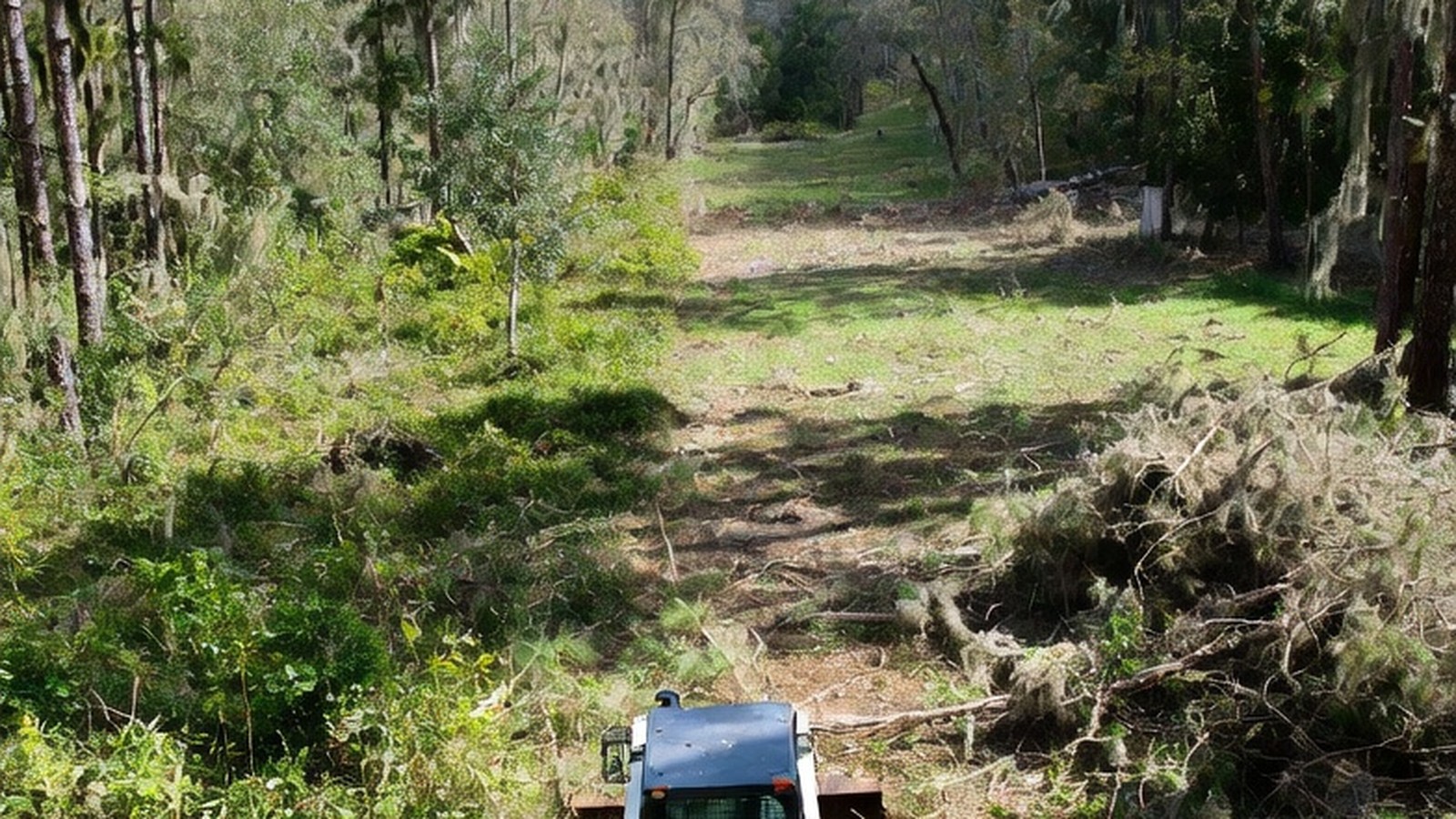
If you're planning to remove trees, clear brush, or do any ground-disturbing work in North Florida, there's a real possibility gopher tortoises are involved. They're everywhere in North Florida (residential yards, vacant lots, pastures, roadsides) and they're protected under state law.
Disturbing or destroying a gopher tortoise burrow without authorization is a violation of Florida statutes with significant penalties. This isn't obscure regulation, it's a routine consideration for tree removal and land clearing work in our area.
Here's what you need to know before any work starts.
Why Gopher Tortoises Are Protected
The gopher tortoise (Gopherus polyphemus) is a keystone species. Its burrows (which can extend 40 feet or more and are up to 10 feet deep) provide habitat for over 350 other species: indigo snakes, burrowing owls, gopher frogs, mice, insects, and more. They're a protected species under Florida Fish and Wildlife Conservation Commission (FWC) rules, and under state law, you cannot "take" a tortoise, which includes harming or harassing it or destroying its burrow.
What Counts as a Burrow
A gopher tortoise burrow has a distinctive half-moon shaped entrance, wider than it is tall, typically in sandy, well-drained soil with low vegetation nearby. Active burrows typically have fresh sand aprons in front of them. Inactive burrows may have leaf litter accumulating at the entrance.
A tortoise doesn't have to be visible for a burrow to be active. Gopher tortoises can stay underground for extended periods and are not always present at their burrows.
The Rule for Tree Removal and Land Clearing
If you're removing a tree or clearing land and there are no gopher tortoise burrows within the work area: Proceed normally. The work itself doesn't require tortoise-specific permits.
If there are active or inactive gopher tortoise burrows within the work area or within 25 feet of planned equipment operation: You need to address the tortoise issue before work begins.
Options depend on the situation:
Avoid the burrow area. If you can adjust the scope of work to stay well clear of burrows (and equipment won't pass within the buffer), this is the simplest path. We routinely modify work areas to avoid known burrows.
FWC incidental take permit. If work cannot avoid burrow impact, a permit from FWC is required. This involves either relocating the tortoise before work begins (to a permitted recipient site) or paying an in-lieu fee into the FWC Gopher Tortoise Conservation Fund. An FWC-authorized gopher tortoise agent must handle the relocation.
Wait for the tortoise to leave. For minor work near an inactive burrow, sometimes the most practical option is to schedule work when the tortoise has naturally vacated. This isn't a guarantee and doesn't substitute for permit requirements in impact situations.
The Penalties Are Real
Unlawfully disturbing a gopher tortoise burrow or harming a tortoise is a second-degree misdemeanor under Florida law, potentially a $500 fine and up to 60 days in jail per incident. FWC takes enforcement seriously, and complaints from neighbors about disturbed burrows are followed up.
Beyond the legal risk, the reputational cost to contractors who violate tortoise protections can be significant.
How We Handle This
Before starting any tree removal or land clearing job, we look for signs of gopher tortoise activity in the work area. If burrows are present or suspected:
- We let you know before work starts
- We assess whether the work scope can be adjusted to avoid the buffer zone
- If relocation or a permit is required, we can refer you to an FWC-authorized tortoise agent
We don't disturb burrows, and we won't perform work that would impact a tortoise burrow without proper authorization in place.
Identifying a Gopher Tortoise Burrow
Look for:
- Half-moon shaped opening in sandy, well-drained ground
- Typically 6-18 inches wide at the entrance
- Fresh sand apron in front of an active burrow
- Often near open grassy areas, roadsides, or edges of cleared land
- May be partially concealed by low vegetation
If you see a tortoise on your property and want to know if work is feasible, take note of burrow locations before calling, it helps us assess the situation accurately.
Planning tree removal or land clearing in Tallahassee or North Florida? Call (850) 570-4074 or request an assessment online.
Note: This post is informational and does not constitute legal advice. For permit questions specific to your situation, contact the Florida Fish and Wildlife Conservation Commission at myfwc.com or (850) 488-4676.