Tree Damage and Insurance: The Basic Framework
Homeowners insurance policies in Florida cover tree damage in specific, sometimes counterintuitive ways. Understanding the framework before you need it prevents surprises after a loss.
This is general information, your specific policy controls. Policy terms vary. Always read your policy and consult your agent for the specifics of your coverage.
When a Tree Falls on Your Structures
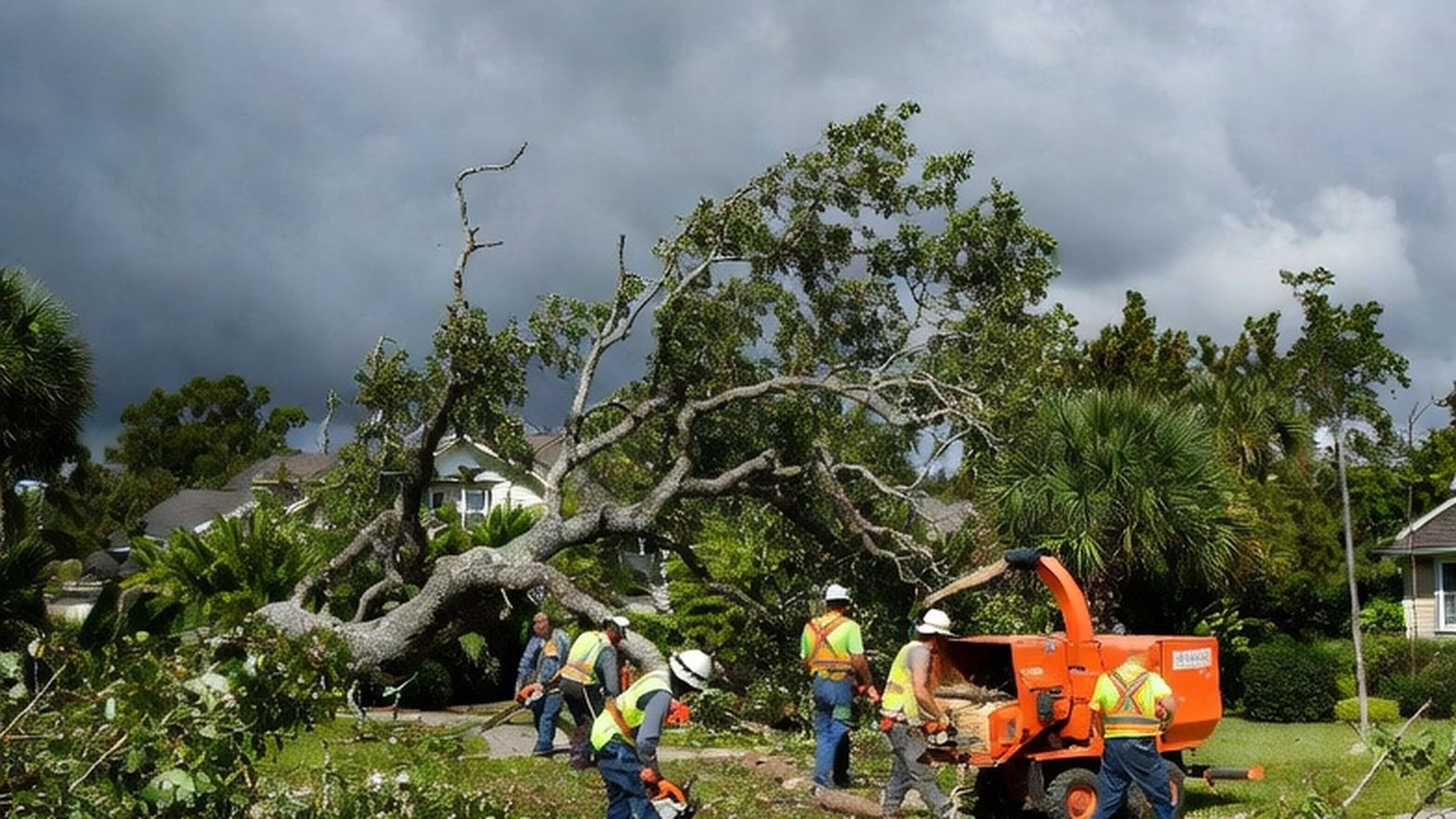
Your policy covers damage to your property. If a tree (including a neighbor's tree) falls on your home, detached garage, fence, or covered structure, your homeowners policy typically covers the repair to the structure under your dwelling coverage, minus your deductible.
It typically doesn't matter whose tree it was. If a neighbor's healthy tree falls on your house during a storm, your insurance covers the structural damage. (Separate rules apply if the neighbor's tree was a known hazard, see below.)
Tree removal from the structure is typically covered up to policy limits, but often at a lower coverage cap than structural damage. Many policies cover $500-$1,000 for tree removal from structures. This often doesn't cover the full cost of removing a large tree.
Tree removal that didn't hit a structure is generally not covered. If a tree falls in your yard without damaging a covered structure, the cleanup cost is typically out-of-pocket.
When a Tree Falls on a Vehicle
Vehicles are covered under your comprehensive auto insurance, not homeowners. Your homeowners policy typically doesn't cover vehicles. If a tree falls on your car, file an auto insurance claim (comprehensive coverage) rather than a homeowners claim.
The Neighbor's Tree Scenario
Healthy tree, storm event: Generally speaking, if your neighbor's healthy tree falls on your property during a storm, they are not liable for the damage to your property. You file with your own homeowners insurance. This is counterintuitive but is the standard legal principle: acts of nature that cause a healthy tree to fall are not negligence.
Known hazard tree: If the tree was a known hazard (if you notified your neighbor in writing that the tree was damaged, diseased, or otherwise hazardous) and the neighbor failed to act, they may be liable for resulting damage. The written notification creates a negligence record. This is why sending a certified letter when you identify a neighbor's tree as a hazard matters, and why maintaining your own trees is important.
Preventive Tree Work: Not Covered
Routine tree maintenance (pruning, removal of healthy trees, preventive work) is a homeowner expense, not an insurance event. Insurance covers losses from sudden, unexpected events, not maintenance.
Documentation for Claims
After a storm event with tree damage:
Photograph everything before any work begins. Document the fallen tree, the damage to structures, and the origin point of the tree (to establish whose tree it was).
Don't move the tree immediately if you can avoid it. Insurance adjusters may need to inspect before cleanup. Check with your insurer before having the tree removed if you're filing a claim.
Get written estimates from licensed, insured tree service companies. Adjusters work with written estimates. An estimate from an uninsured door-to-door contractor after a storm doesn't serve your claim as well as a written estimate from a legitimate company.
Keep all receipts. Emergency tree removal to prevent ongoing structure damage is typically covered. Document all expenses.
Emergency Work vs. Scheduled Cleanup
Most policies distinguish between emergency tree removal (to prevent further damage to a covered structure) and general cleanup (tree removal from the yard that didn't damage structures). Emergency removal is more likely to be covered; general cleanup typically is not.
After a storm in Tallahassee? Call (850) 570-4074) for emergency tree service and free estimates for insurance documentation.