Tallahassee's Hurricane Reality
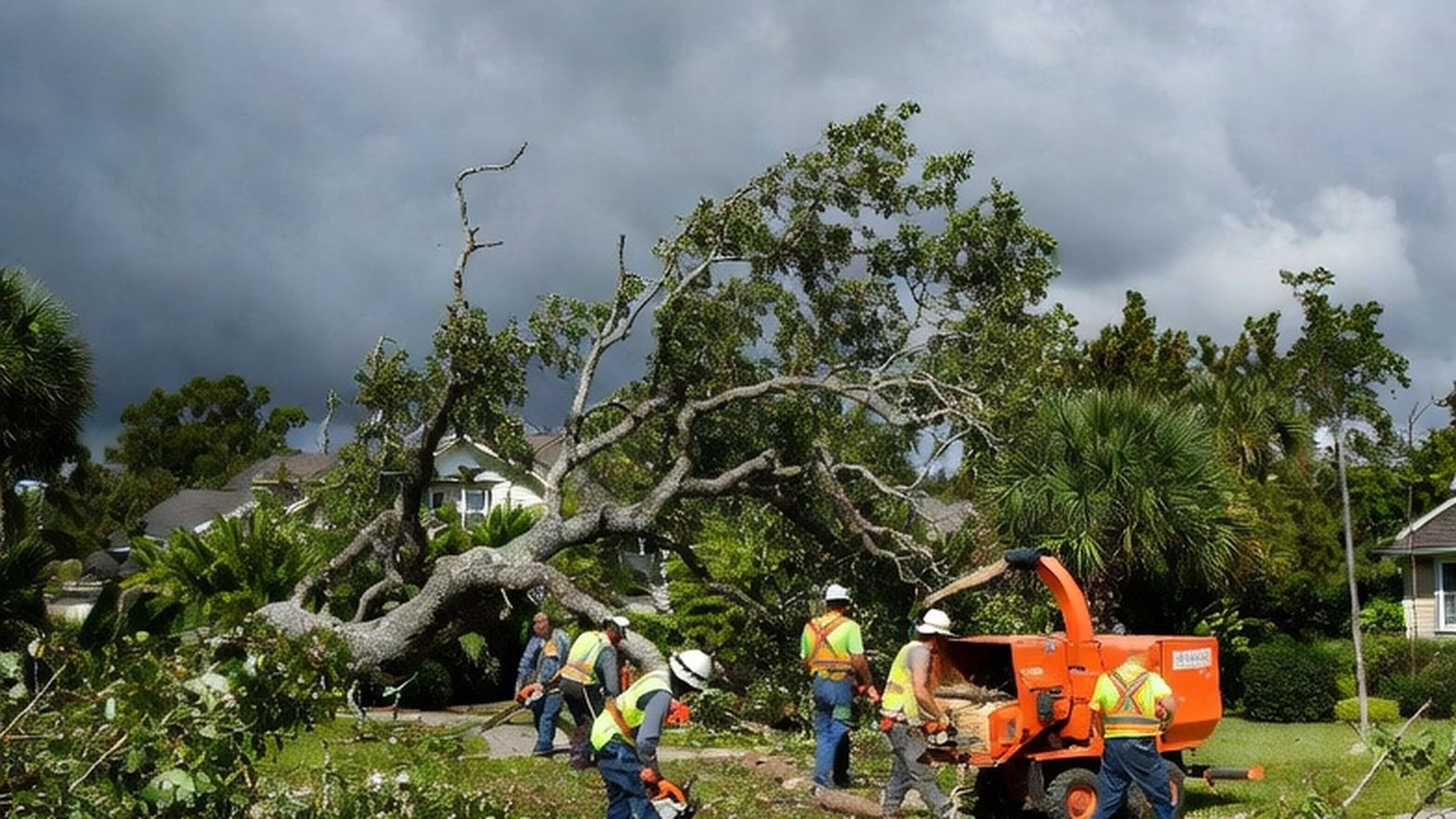
Tallahassee sits in what meteorologists call the "Florida Panhandle hurricane corridor", the strip of Gulf Coast and inland areas that get hit or clipped more often than the Florida peninsula. The 2024 season was a stark reminder: storms that make landfall on the Gulf Coast can still deliver tropical storm and hurricane-force winds to Leon County before weakening.
Layer that geography onto Tallahassee's tree canopy (one of the densest urban canopies of any American city) and you have a formula that demands proactive tree management.
Every tree in your yard has a wind-load risk profile. The difference between a tree that survives a major wind event and one that fails often comes down to decisions made months before the storm.
June 1 Is the Deadline That Actually Matters
Atlantic hurricane season officially runs June 1 through November 30. The practical deadline for meaningful pre-season tree work is late May to early June: before the first named systems are forming and before demand for tree services spikes dramatically.
Once a named storm is in the Gulf, response crews are overwhelmed. The time to schedule structural pruning, hazard removal, and professional assessment is before that window.
What a Pre-Season Tree Assessment Covers
A professional evaluation of your trees before storm season looks for:
Structural defects. Codominant stems (two trunks of roughly equal size growing from the same point) are one of the most common failure modes. Under high wind, the included bark between the stems creates a wedge failure point, this is where large limbs detach, often taking a section of the canopy with them. We look for included bark, tight V-crotches, and codominant leads throughout the canopy.
Dead wood. Dead limbs and branches are dead weight, literally. They have no flexibility and no structural attachment to the living wood beneath. In high wind, they come down first. Dead wood should be removed before storm season, not found on your roof afterward.
Root zone assessment. Trees with compromised root systems (from construction disturbance, soil compaction, grade changes, or disease) are at elevated fall risk even in moderate winds. Surface heaving near the base, sudden lean, mushrooms at the root flare, or previous soil disturbance near the trunk are all flags.
Lean toward structures. A tree leaning toward a house, vehicle, pool, or other structure may be fine in normal conditions but a direct hazard in storm conditions. The direction of lean matters more than the degree of lean in storm scenarios.
Crown density. Dense, unpruned canopies act like sails. A properly thinned crown allows wind to pass through rather than catch. This is one of the most impactful storm-prep interventions we perform.
The Highest-Risk Tree Types in Leon County
Some species in Tallahassee's urban forest have well-documented failure patterns:
Water oak. Fast-growing, relatively brittle wood, shallow root system in many soil types. Water oaks fail disproportionately in storms compared to their size and apparent health. A large water oak over a structure deserves evaluation every season.
Laurel oak. Similar growth habit to water oak. Both are common in residential Tallahassee and both have a documented tendency toward limb failure and whole-tree failure in tropical wind events.
Slash pine. Tall, straight, and the canopy is high up. Slash pines have extensive root systems and are generally more wind-firm than oaks, but pines stressed by drought or pine beetle damage become brittle and can snap rather than bend.
Sweetgum. Large, dense canopy. Under-pruned sweetgums can develop significant dead wood loads and codominant structural issues.
Live oak: North Florida's most wind-resistant common tree. Properly maintained live oaks are among the best performers in wind events. The concerns are typically older trees with significant decay, or live oaks that have had root zone disturbance from construction.
Specific Work That Makes a Difference
Deadwood removal. Any dead limbs over 2 inches in diameter over a structure or vehicle should come down before storm season. This is non-negotiable in our professional opinion.
Crown thinning. Particularly for large water oaks, laurel oaks, and sweetgums. Reducing crown density by 20–30% makes a measurable difference in wind resistance. Our tree trimming and pruning service covers all of these structural cuts.
Codominant stem cabling. For trees worth preserving that have codominant structure, installing high-strength steel cable in the upper canopy reduces the chance of stem splitting. Not a permanent fix, but often extends the safe life of an otherwise sound tree.
Selective removal. Some trees are in positions or conditions where the risk-to-value ratio simply doesn't justify keeping them through another storm season. An honest assessment will identify these.
The Post-Storm Reality
After a major storm, emergency tree services are in extreme demand throughout the region. Crews are stretched thin. Prices are higher under emergency conditions. Debris sits longer. If your tree is on your roof, you're at the mercy of who's available, not who you'd choose.
The better position: a tree that survived a well-managed storm season, and a yard that doesn't need emergency cleanup because the hazard trees were addressed in April.
We Assess All of North Florida and South Georgia
Our pre-season assessments and storm prep work cover Tallahassee, Leon County, and all of our North Florida service territory, as well as South Georgia. The storm risk profile is different in South Georgia (more often wind from tropical systems that have weakened after landfall), but the proactive tree management principle is the same.
Call (850) 570-4074 or request an assessment online to schedule pre-season tree work before the June 1 storm season start. Don't wait for the forecast.