Why Home Renovation Threatens Trees
Trees are killed by home renovation projects every year, not by chainsaws, but by construction activity that damages roots, compacts soil, and changes drainage in ways that don't show up until a year or two later.
By the time the tree starts dying, the contractor is long gone and the damage is done.
The Root Zone: Bigger Than You Think
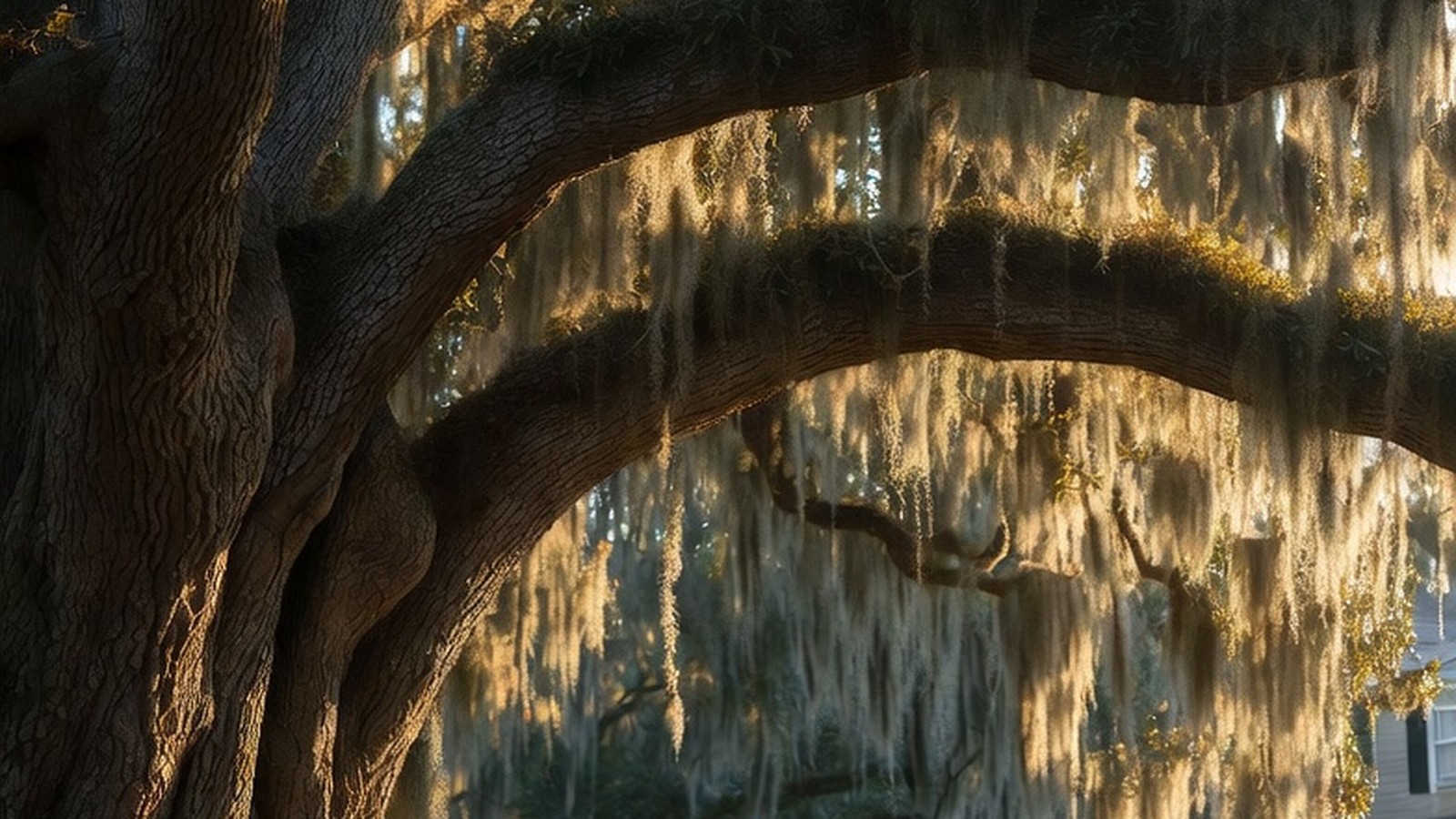
A tree's roots extend far beyond the drip line (the edge of the canopy). As a rule of thumb, fine feeder roots (the roots responsible for water and nutrient uptake) extend to 1.5 to 3 times the drip line radius in many directions. For a large live oak with a 40-foot canopy spread, significant feeder roots may extend 30-60 feet from the trunk in all directions.
Construction activity in this zone (trenching, compaction from equipment, grade changes, material storage) damages these roots even when the trunk and visible structure are untouched.
The Most Damaging Activities
Soil compaction: Equipment driving over or near the root zone compacts soil, reduces oxygen and water infiltration, and kills feeder roots. A single pass of a loaded concrete truck over the root zone can cause significant damage. Repeated passes over a construction season can be fatal.
Grade changes: Adding 4-6 inches of soil over the root zone (for landscaping, drainage correction, or site prep) suffocates the root zone. Cutting grade (removing soil) severs surface roots and exposes previously buried root structures.
Trenching: Utility trenches, irrigation lines, and drainage runs that cross the root zone sever significant roots. A trench that cuts through a tree's structural roots on one side can compromise both health and stability.
Material storage: Piling sand, gravel, soil, or construction materials over root zones compacts and smothers roots.
How to Protect Trees You Want to Keep
Get an arborist assessment before construction starts. Identifying which trees are worth protecting and defining their critical root zones gives you a defensible plan to give contractors.
Establish and fence a Tree Protection Zone (TPZ). A simple fence (orange construction fence on stakes) installed at the drip line before any equipment arrives establishes a physical barrier. Instruct all contractors and subcontractors that equipment, materials, and foot traffic don't enter the TPZ.
Route utilities outside the root zone. If trenching is unavoidable, consider boring (directional drilling under the root zone) rather than open trenching where possible.
Avoid grade changes in the root zone. If grade changes are necessary near a tree, discuss options with an arborist, root aeration, structural soil systems, and retaining walls can sometimes allow grade changes while preserving root zone function.
Monitor after construction. Trees don't always show damage immediately. Inspect canopy health in the year following construction, crown thinning, leaf size reduction, or early fall color are signs of root stress.
After Construction Damage Has Occurred
If a tree has already experienced construction impact, an arborist can assess the damage and recommend whether recovery is possible. Crown pruning to reduce water demand on a compromised root system, soil aeration, and targeted watering can support recovery, but heavily damaged trees sometimes can't be saved. Early assessment gives more options.
Planning a renovation or addition project and want your trees protected? Call (850) 570-4074 or request a consultation online.