Why Pool Installation Threatens Trees
A swimming pool installation is one of the highest-impact construction projects a residential property undergoes. The excavation, equipment access, backfill, decking installation, and site work involved can substantially damage tree root systems, and the damage often isn't apparent until 1-3 years later when the tree shows decline symptoms.
Common mechanisms of pool-related tree damage:
Root zone excavation: The pool excavation itself may directly cut major structural roots. A root severed within 10 feet of a trunk is a significant loss; within 5 feet, it may compromise the tree's stability.
Equipment compaction: Heavy equipment operating over root zones compacts soil structure, reducing oxygen and water penetration. Roots in compacted soil can't absorb effectively, the tree weakens over years.
Grade changes around the pool: Adding or removing soil to achieve the desired grade around the pool deck changes the depth at which roots receive oxygen and water. Even 4-6 inches of fill over the root zone can significantly affect root health over time.
Chemical contamination: Pool chemicals, concrete wash water, and soil additives can alter soil pH and chemistry in the root zone.
Before Pool Installation: Assessment
Before your pool contractor breaks ground, have a tree professional walk the site:
- Identify which trees are within range of the planned construction footprint
- Assess which trees are worth protecting vs. trees that need to be removed before installation
- Establish clear protection zones based on each tree's root system and structural importance
- Provide the pool contractor with a tree protection plan
This gives you and the contractor a shared understanding of what's being protected and why. It also establishes a baseline condition for the trees so that post-construction decline can be documented.
During Installation: Protection Zones
Barrier fencing around the critical root zone. The critical root zone extends roughly to the drip line of the tree, though for large trees it may extend considerably further. Barrier fencing (construction fencing, tree protection fencing) at the drip line communicates to crews where equipment should not operate.
No staging, equipment parking, or material storage within the root zone. Even static loading from materials sitting on the root zone causes compaction. Keep the zone clear.
Root pruning before excavation. If the pool footprint requires cutting through major roots, a clean cut made in advance by a professional causes less tissue damage than a rough equipment cut. Directional boring under major roots (for utilities) is preferable to trenching.
Trunk protection. Equipment operating near trunks should have protective wrapping on trunks, bark damage from equipment contact can introduce disease.
After Pool Installation: Recovery Monitoring
Trees adjacent to a completed pool should be monitored through the first 2-3 growing seasons. Watch for:
- Reduced canopy density compared to pre-installation
- Premature leaf drop
- Dead branches appearing where they weren't before
- Unusual leaf color (yellowing, browning)
If you see these signs, have the tree assessed. Some post-construction decline is recoverable if caught early; trees in terminal decline from severe root damage may need removal before they become hazards.
Live Oaks: Worth Protecting
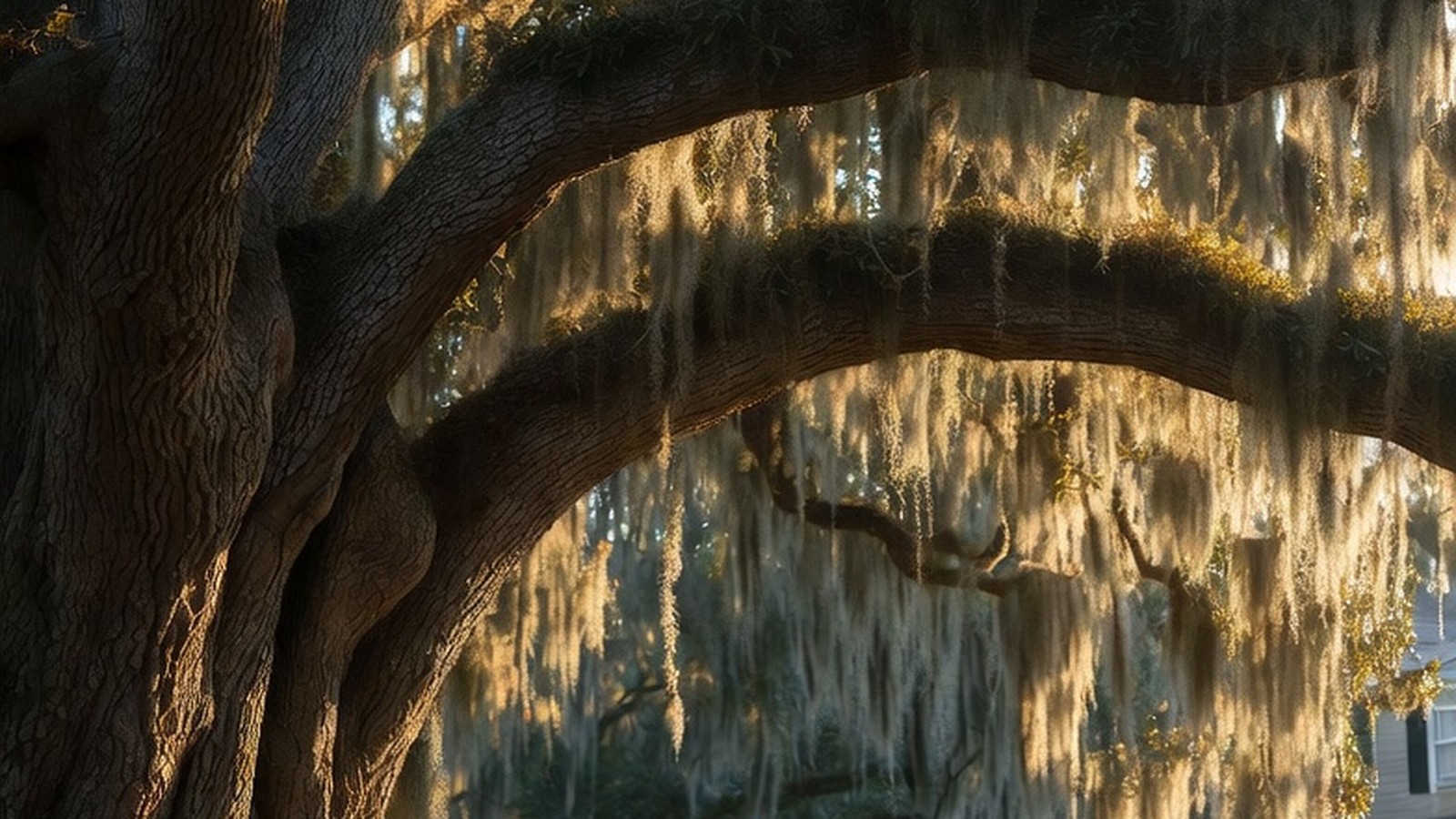
Tallahassee's live oaks represent decades or centuries of growth. A mature live oak eliminated by careless pool construction is not replaceable on a human timeline. If your pool design brings the footprint close to a significant live oak, work with your designer to adjust the footprint before construction begins.
The city of Tallahassee also has permit requirements for work affecting live oaks within city limits.
Planning a pool? Want your trees assessed before construction? Call (850) 570-4074 or request a consultation online.