Tree Removal for Construction: What's Different
Removing trees as part of a construction project (new build, addition, pool installation, detached structure) involves additional considerations beyond standard residential removal:
- Permit requirements may apply, especially for live oaks
- Timing relative to your construction schedule matters
- Protecting trees you want to keep during construction activity is a separate concern
- Coordination with your contractor affects how and when tree work happens
Understanding these upfront helps avoid delays and unnecessary tree loss.
Tallahassee Live Oak Permit Requirements
The City of Tallahassee protects live oaks through a permitting process. Before removing a live oak (or significantly pruning one) within city limits:
- Any removal or major pruning of a live oak on private property within city limits may require a permit
- The city evaluates based on trunk diameter, canopy condition, and the purpose of removal
- Construction-related removal (to accommodate building footprint, utilities, driveway) is often approvable with documentation
- Work without the required permit can result in fines and required mitigation
If you're in the City of Tallahassee, confirm permit requirements before scheduling any live oak removal. We advise on this during the estimate process, but the permit application is typically the property owner's or contractor's responsibility.
Leon County (unincorporated) doesn't have the same permit structure. If your property is outside Tallahassee city limits, most removal proceeds without city permits. Check with Leon County for any applicable site plan requirements on new construction.
Timing Tree Removal in Your Construction Schedule
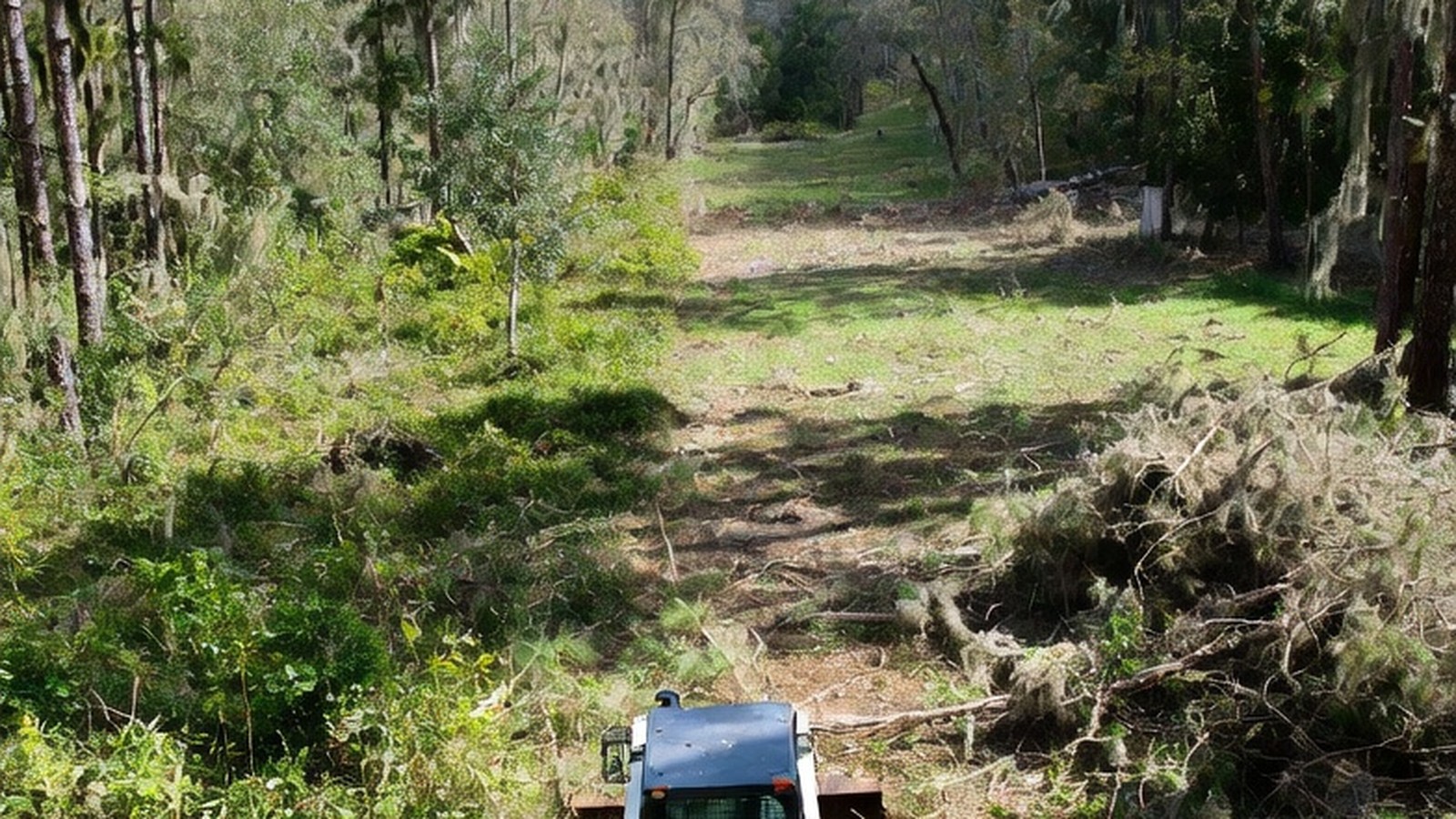
Remove trees before site clearing, not during. Trying to work around heavy equipment on site creates hazards and limits what we can do safely. The best sequence:
- Confirm which trees are being removed (walk the site with your contractor)
- Handle any permit requirements for protected trees
- Complete tree removal and stump grinding before excavation begins
- Heavy equipment and site clearing follows
Some contractors build tree removal into their scope, clarify early whether your GC is handling it or whether you need to arrange it separately.
Lead time: We need to schedule an estimate visit and book the work. During busy periods (post-storm, spring), scheduling several weeks out is common. Don't wait until your construction start date is three days out.
Protecting Trees You Want to Keep
Construction activity destroys trees slowly, root zone compaction, grade changes, trunk damage from equipment, and trenching through roots all cause damage that may not be visible for one to three years.
If you have mature trees you want to preserve through construction:
Establish a protection zone. The critical root zone extends roughly to the dripline of the tree (or further for large trees). Equipment, materials storage, and grade changes within this zone can cause lasting root damage.
Trunk protection: Wrap trunks with padding or install protective fencing before equipment moves on site. Bark damage from equipment contact can introduce disease and weaken structural integrity.
Grade changes: Raising or lowering grade within the root zone of a mature tree is one of the most common causes of construction-related tree death. Even a few inches of fill over the root zone can suffocate roots over time.
Trenching: Utility trenches that cross root zones sever major roots. When possible, trench away from tree root zones, or use directional boring under significant trees.
We can assess trees you want to protect before construction starts and flag high-risk situations, root zone proximity to planned work, existing stress indicators, species vulnerability. This gives you information to share with your contractor before ground is broken.
After Construction: Assessing Survivors
Trees that came through construction activity near their root zones should be monitored. Symptoms of construction stress (premature leaf drop, sparse canopy, dead branches) may not appear for one to three growing seasons. If you notice these signs in trees that survived a construction project, a professional assessment can determine whether the tree is in a recoverable decline or heading toward structural failure.
Planning construction in the Tallahassee area? Call (850) 570-4074 or request an estimate online to discuss tree removal and protection before your project starts.