The Problem No One Talks About
A tree in someone's front yard starts declining. Leaves are smaller than they used to be. The canopy is thinning. A few upper branches died back last year. The homeowner waters it. Fertilizes it. Calls an arborist who finds no obvious disease or pest damage.
The culprit is often underground: compacted soil that's been strangling the root system for years.
Soil compaction is common in developed areas and almost never comes up in conversations about tree health. It doesn't look dramatic. Trees in compacted soil decline slowly over years or decades. By the time the symptoms are obvious, the damage is often long-standing.
What Compaction Does to Soil
Healthy soil isn't solid, it's roughly half mineral particles and half open pore space filled with air and water. Roots grow through these pores. Beneficial soil microorganisms live in them. Water and air move through them.
Compaction crushes that pore space. When heavy weight is applied (vehicle tires, construction equipment, repeated foot traffic) soil particles are forced together and the pore structure collapses. The result:
- Water runs off rather than infiltrating, causing drought stress even with normal rainfall
- Oxygen can't reach roots (roots need oxygen to function, just like above-ground parts)
- Carbon dioxide from root respiration builds up and becomes toxic
- Roots can't physically penetrate compacted soil, so they're confined to smaller volumes
How Compaction Happens
Construction equipment: This is the most damaging single cause. A single pass from a heavy machine can compact soil to 18 or more inches deep. Construction projects that happen near trees (even if the tree itself isn't touched) frequently damage the root zone significantly.
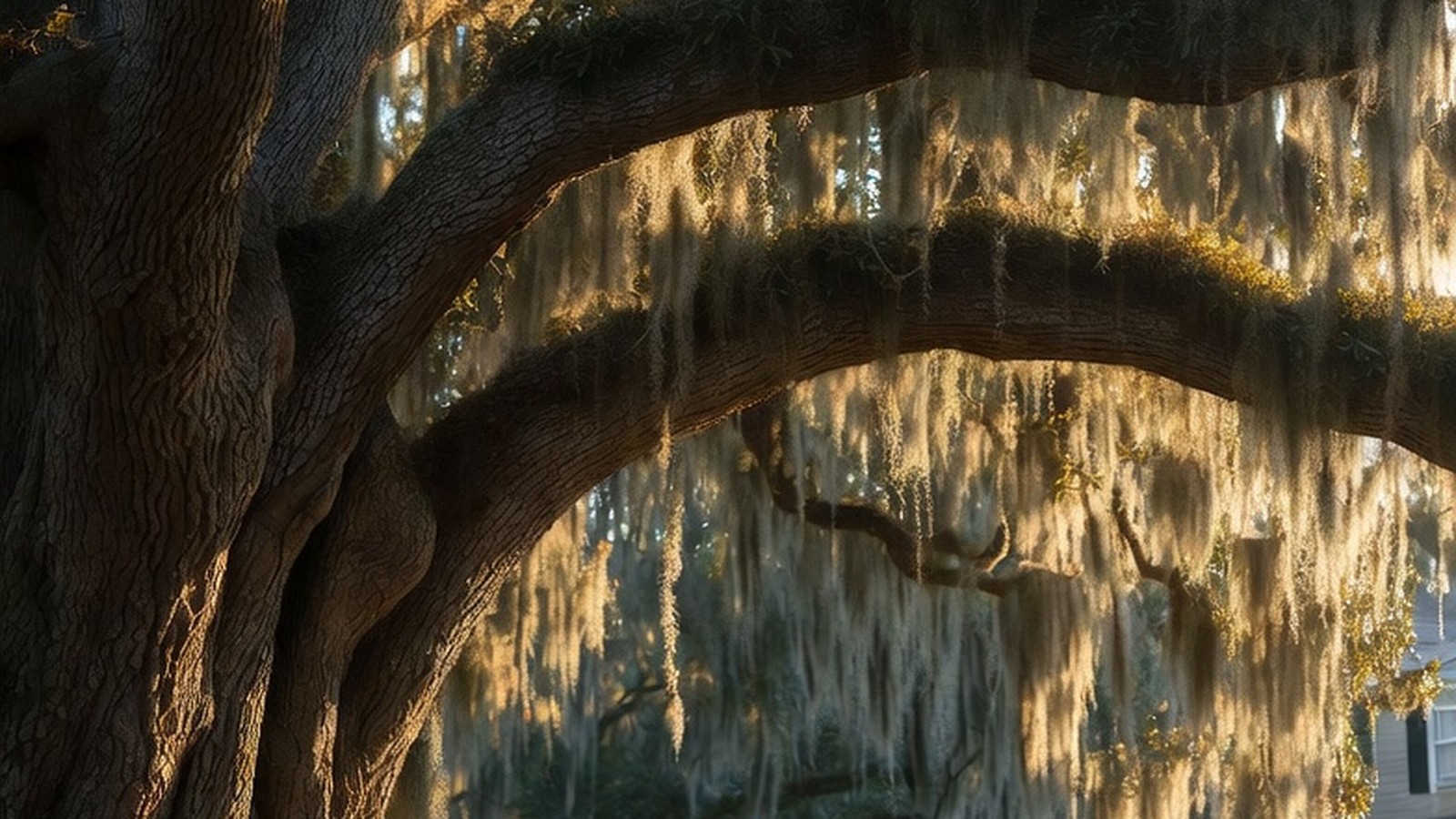
Vehicle parking: Parking under trees repeatedly compacts the soil. In North Florida neighborhoods with large live oaks and limited paved parking, this is extremely common. Lawn parking under trees over years creates serious compaction.
Foot traffic: High-traffic paths across root zones compact soil at shallower depths, but the cumulative effect over years is significant.
Heavy equipment post-construction: AC installations, landscaping trucks, utility work, any equipment that drives across the root zone contributes.
The Critical Root Zone. It's Larger Than You Think
Most people understand trees have roots, and roughly where they are. Most people dramatically underestimate the extent of those roots.
Feeder roots (the small absorbing roots that actually take up water and nutrients) typically extend 2 to 3 times the crown radius from the trunk. A live oak with a 30-foot crown radius may have functional feeder roots extending 60 to 90 feet from the trunk.
Soil compaction anywhere in this zone affects the tree. A construction project on the neighboring lot that brings equipment across what appears to be empty lawn can damage root systems that extend well beyond the property line.
Symptoms of Compaction Damage in Trees
Compaction damage looks similar to drought stress, disease, or nutritional deficiency, which is part of why it goes undiagnosed:
- Reduced annual growth (shorter shoot extensions, smaller leaves)
- Premature fall color or early leaf drop
- Tip dieback starting at the outer edges of the crown
- Sparse canopy despite adequate apparent conditions
- Opportunistic secondary infections: stressed trees are more vulnerable to fungal pathogens like hypoxylon canker
Timing matters for diagnosis. Compaction damage often shows up 2 to 5 years after the event that caused it, because trees are drawing on stored energy reserves before visibly declining.
What Can Actually Be Done
Compaction is difficult to fully reverse, you cannot restore soil structure that has been destroyed through a large volume of soil without major disruption. But several approaches can improve conditions:
Core aeration: Removes plugs of soil to restore some pore space and allow water and air infiltration. Effective for moderate surface compaction from foot traffic or vehicle parking. Less effective for severe deep compaction from construction equipment.
Vertical mulching: Drilling holes through the compacted zone in a pattern across the root zone, then filling with compost or wood chip material. Creates channels through the compacted layer for root growth and water infiltration.
Air spading: Using compressed air to excavate soil around roots without severing them. The most precise approach, allows inspection of root condition while loosening soil. Can then be backfilled with improved soil mix.
Organic mulch application: Maintaining a 3-4 inch mulch layer across the root zone does multiple things: it prevents ongoing surface compaction, retains moisture, moderates soil temperature, and as it decomposes, feeds soil biology that improves soil structure over time. This is the most practical ongoing management approach.
Grade changes: If construction raised the grade around a tree, the added soil over the root zone is a separate problem, one that requires removing fill soil, not aerating through it.
Protection During Construction
If you're planning construction near a significant tree, establishing a protection zone before work begins is far more effective than trying to remediate damage afterward.
Tree protection fencing around the critical root zone (at minimum to the drip line, ideally further) keeps equipment and material storage out of the area during construction. This is an industry standard in jurisdictions with active urban forestry programs and is required for permitted trees in Tallahassee.
If you're hiring contractors for any work near large trees on your property, ask specifically what their plan is for root zone protection. Most residential contractors don't think about this unless prompted.
When Decline Is Already Happening
If a tree is showing decline symptoms and you suspect compaction (based on recent construction, changes in land use, or vehicle traffic history) get an assessment before the decline progresses further.
An arborist can evaluate soil conditions, assess root zone access, and recommend whether intervention is likely to be effective or whether the damage is too far advanced. Not all compaction damage is reversible, but some trees that appear severely stressed can stabilize or recover with appropriate treatment.
Concerned about a tree's health in the Tallahassee area? Call (850) 570-4074 or request an assessment online.