Spring in Tallahassee: When Rain Becomes Too Much of a Good Thing
May in Tallahassee brings something we all love to see after a long winter, regular rainfall and lush green growth throughout our canopy city. But here's something many homeowners don't realize: too much water can be just as harmful to your trees as too little. With North Florida's notoriously wet springs and the daily afternoon thunderstorms rolling in, knowing when and how to water your trees becomes crucial.
Understanding Tallahassee's Spring Water Cycle
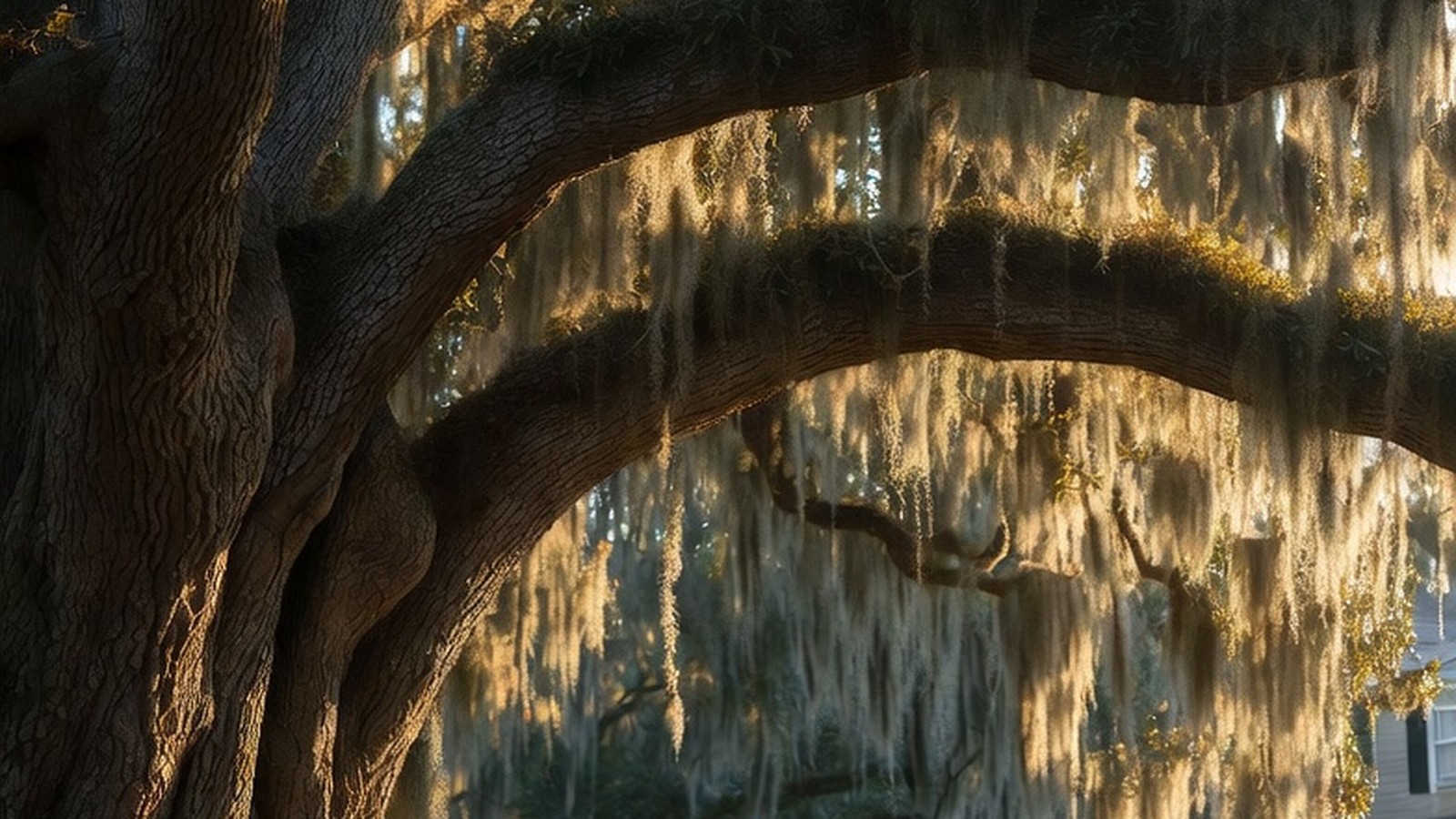
Our area typically receives 3-5 inches of rain per month during spring, with May often bringing even more. Those afternoon storms that roll through Killearn Estates, Southwood, and Betton Hills can dump an inch or more in just an hour. While this keeps our famous live oaks and towering pines looking magnificent, it can create serious problems for tree roots.
Signs your trees are getting too much water:
- Yellowing leaves that fall prematurely
- Soft, mushy soil around the base that stays wet for days
- Fungal growth on bark or at soil level
- Stunted new growth despite adequate nutrients
- Root rot symptoms (wilting despite wet soil)
The Root Zone: Where Water Damage Really Happens
Tree roots need oxygen to survive, and when soil stays waterlogged for extended periods, roots literally suffocate. This is especially problematic for our area's clay soils, which drain slowly and can hold water for days after heavy rains.
Most vulnerable trees in our area:
- Newly planted trees (less than 2 years)
- Trees in low-lying areas or near retention ponds
- Ornamental species not native to North Florida's wet climate
- Trees planted in amended soil that drains differently than surrounding clay
When to Water (and When Not To)
During Tallahassee's wet spring months, most established trees need zero supplemental watering. Here's how to determine if your trees actually need water:
The Soil Test
Push a screwdriver or long nail into the soil 6 inches deep near your tree's drip line. If it goes in easily and comes out with moist soil clinging to it, your tree doesn't need water. If you hit hard, dry soil, it's time to water.
Check the Weather
If we've had rain in the past 3-4 days, skip the sprinklers. Tallahassee's spring storms usually provide more than enough moisture for healthy trees.
Focus on New Plantings
Trees planted this spring need consistent moisture but not waterlogged conditions. Water deeply once or twice per week only if we haven't had significant rainfall.
Drainage Solutions for Problem Areas
At Reed Tree Service, we see plenty of properties where poor drainage creates ongoing tree health issues. If your yard has standing water 24-48 hours after rain, consider these solutions:
Immediate fixes:
- Redirect downspouts away from tree root zones
- Create shallow drainage ditches to move water away from valuable trees
- Avoid planting in low spots where water naturally collects
Long-term solutions:
- Install French drains in chronically wet areas
- Grade problem areas to improve water flow
- Choose water-tolerant native species for wet zones (bald cypress, red maple, sweetgum)
Species-Specific Watering Guidelines
Water-loving natives (can handle wet springs):
- Bald cypress
- Red maple
- Sweet bay magnolia
- River birch
Moderate water needs (monitor during wet periods):
- Live oak
- Laurel oak
- Loblolly pine
- Southern magnolia
Drought-tolerant species (most at risk from overwatering):
- Longleaf pine
- Sand live oak
- Yaupon holly
- Eastern red cedar
Signs of Recovery vs. Decline
If you suspect your trees have been getting too much water, watch for these signs over the next few weeks:
Recovery indicators:
- New leaf growth appears healthy and green
- Soil begins draining normally after rains
- No new fungal growth appears
Decline indicators:
- Continued leaf yellowing and drop
- Bark peeling or soft spots on trunk
- Mushrooms growing from base or roots
- Overall wilting despite wet conditions
Trees showing decline signs need professional assessment. Root rot and other water-related diseases can kill even large, established trees if left untreated.
Professional Tree Care During Wet Seasons
With over 10 years serving the Tallahassee area, Reed Tree Service has seen how spring's heavy rains affect every type of tree in our region. We can assess your trees' drainage needs, identify early signs of water stress, and recommend solutions before small problems become expensive removals.
If you're concerned about water damage to your trees, or if you have areas of your property where drainage creates ongoing issues, we're here to help. Our team knows North Florida's unique growing conditions and can develop a care plan that works with our climate, not against it.
Need a professional assessment of your trees' water situation? Call Reed Tree Service at (850) 570-4074 or request a free estimate at reedtreeservice.com/free-estimate. We'll help you determine the best watering strategy for your specific property and trees.