The Inherited Tree Problem
When you buy a home with mature trees, you inherit whatever the previous owner's tree management was, which might have been nothing for years, or might have been active maintenance. You often don't know until you look closely.
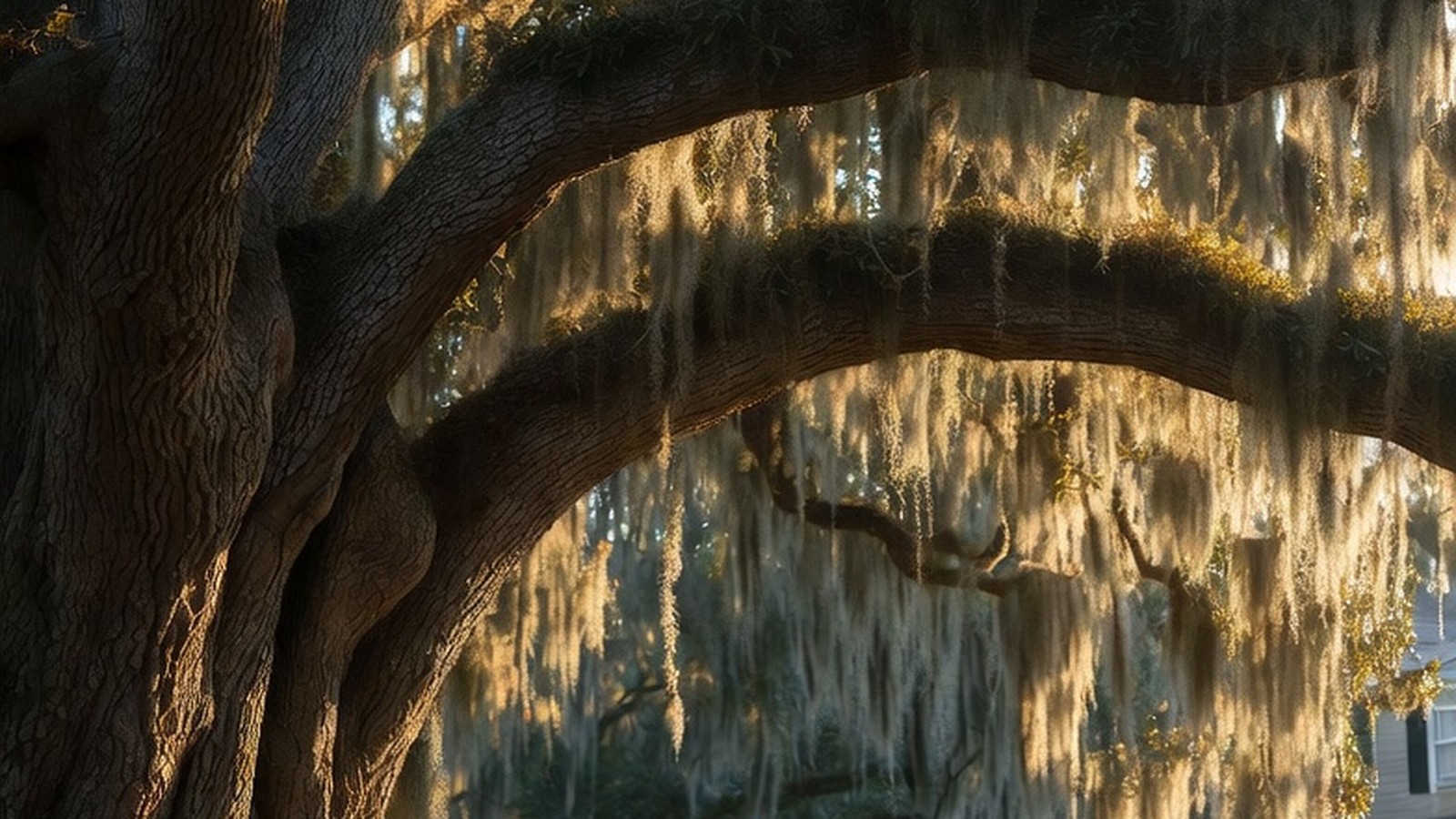
Mature trees add substantial value to residential properties in Tallahassee, the canopy cover, the cooling effect, the established landscape that would take decades to recreate from scratch. They also represent the most significant sources of property damage during storms and the largest potential liability if a hazard tree fails.
The first year after buying a home with significant trees is the right time to assess what you have.
Initial Assessment: What to Look For
You don't need professional training to do an initial walkthrough. Look for:
From the base:
- Are the root flares visible, or do trunks go straight into the ground (possible deep planting or soil accumulation)?
- Is there fungal growth (shelf fungi, mushrooms) at the base or on the trunk? This indicates internal decay.
- Are there large cavities at the base or lower trunk?
- Is the soil at the base stable, or is there heaving that suggests root plate problems?
On the trunk:
- Large open cavities
- Vertical cracks running the length of the trunk
- Previous pruning that left major stubs (which can be decay entry points)
- Evidence of vehicle or construction damage to the bark
In the canopy:
- Any dead branches, particularly large-diameter dead wood over structures, walkways, or vehicles
- Hanging limbs: broken branches still caught in the crown ("widow makers")
- Crown dieback: sections of the crown that aren't leafing out when the rest of the tree is
- Structural defects: co-dominant stems (two equal leaders competing), included bark at major unions
From a distance:
- Is the tree leaning, particularly in a direction toward the house, structures, or the road?
- Does the crown look healthy and full, or thin and sparse compared to similar trees nearby?
- Are there trees that are clearly dead?
Specific Trees to Prioritize
Any dead tree: Remove promptly, especially if there's a target in the fall zone. Dead trees degrade structurally over time and eventually fail without warning.
Water oaks and large trees over the roof: Water oaks are common in Tallahassee neighborhoods and are more decay-prone than live oaks. A large water oak over a bedroom has a meaningful risk profile. Get it assessed.
Trees previously topped: If major branches have been cut back to stubs, look for the knuckle growths at each cut point. These are weak attachments that fail. Topped trees may need structural remediation or removal depending on condition.
Any tree showing fungal conks: Bracket or shelf fungi on the trunk or root zone indicate internal decay. The extent of decay determines urgency, but this warrants professional assessment.
Should You Get a Professional Assessment?
For significant trees (large trees close to structures, any tree with visible defects, trees you're uncertain about) a professional assessment is worth the cost relative to the risk of discovering a problem the hard way.
An arborist assessment can:
- Rate the hazard risk of specific trees
- Identify which trees are healthy and need no action
- Recommend specific work for trees that have issues
- Provide written documentation for insurance purposes
Some buyers request an arborist assessment as part of their home inspection before closing. This is a reasonable approach for properties with significant tree cover.
What to Do With the Information
After assessment:
Immediate hazards (dead trees over structures, hanging limbs over occupied areas, advanced structural failures): Schedule removal or remediation promptly, before storm season if at all possible.
Significant defects needing monitoring or scheduled work: Plan for within the year, pruning, cabling, staged management.
Healthy trees: Learn what species they are, understand their normal behavior (spring leaf drop in live oaks, gumball production in sweetgum, etc.), and maintain them with appropriate care going forward.
Trees you want to remove for other reasons (not hazard): These can be scheduled at your convenience.
New homeowner tree assessment in Tallahassee? Call (850) 570-4074 or request an inspection online.