
Trees Are Measurable Value
The connection between mature trees and property value is well-established in real estate research. The numbers vary by methodology and market, but the direction is consistent: mature, healthy trees on a residential property increase its value.
Several figures often cited:
- USDA Forest Service research has found trees can add 3-15% to residential property values
- A mature tree in good condition has been appraised at values ranging from $1,000 to $10,000 or more, depending on species, size, and location
- Homes on tree-lined streets sell at premiums compared to equivalent homes on bare streets
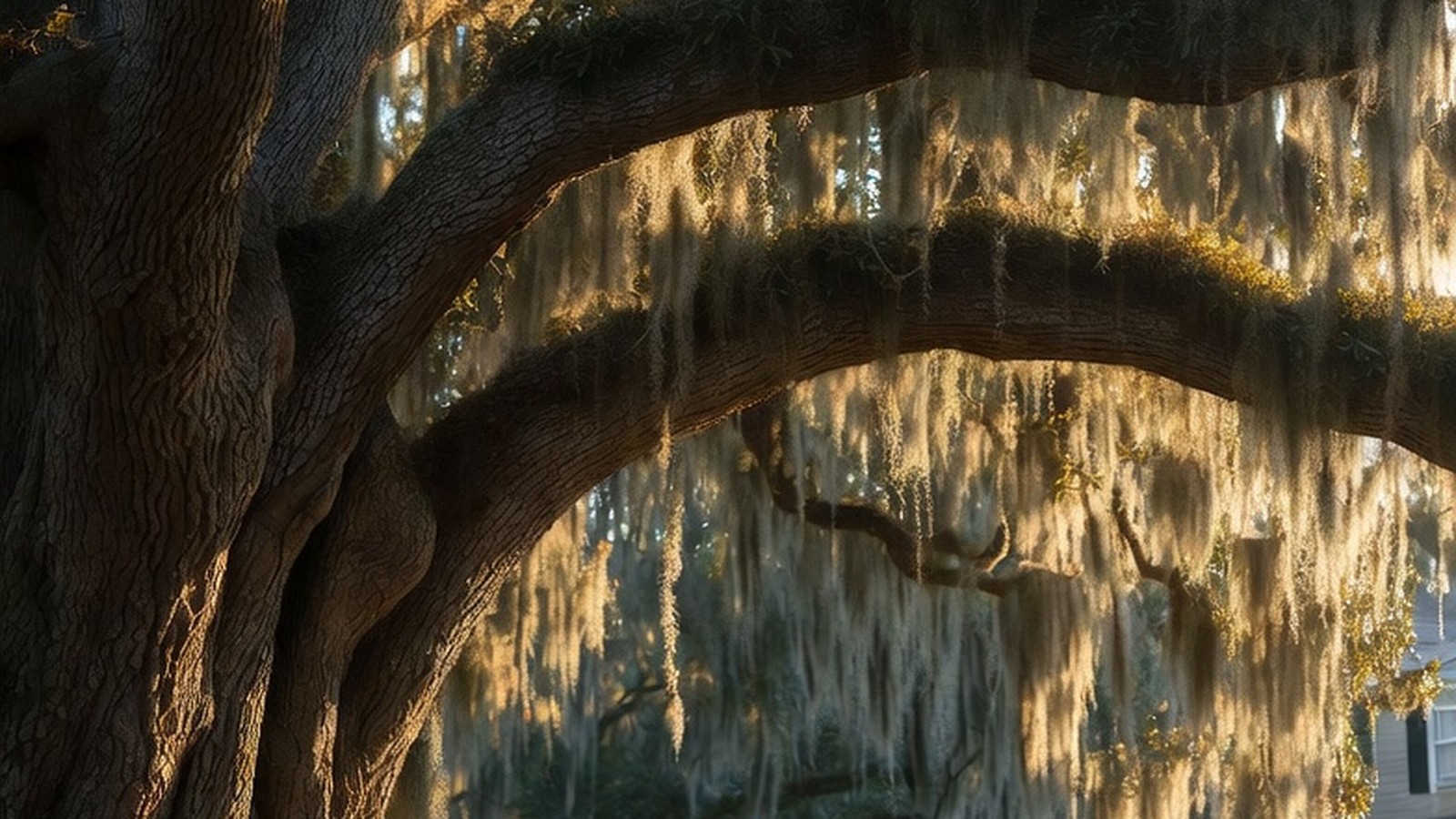
Tallahassee's tree canopy is part of its identity and a significant reason people choose to live there. The live oaks, longleaf pines, and native hardwoods that define neighborhoods like Midtown, Buckhead, and the canopy road corridors are priced in by buyers even when they don't articulate it explicitly.
How Appraisers Handle Trees
Residential appraisals don't typically assign a line-item value to individual trees, the comparison sales method doesn't work that way. But appraised value reflects whatever the market will pay, and the market pays more for well-landscaped properties with mature trees.
For insurance claims, damage disputes, or estate purposes, a Certified Arborist can produce a formal tree appraisal using established methods like CTLA (Council of Tree and Landscape Appraisers) guidelines. These assessments produce a dollar value for a specific tree based on species, size, condition, location, and local comparable data.
If you've had a tree damaged by a neighbor's negligence or a contractor's error, a formal appraisal is the starting point for any compensation claim.
What Makes a Tree More vs. Less Valuable
Not all trees add equal value. For property value purposes, the most valuable trees are:
Healthy, well-maintained specimens. A declining, disfigured, or hazardous tree subtracts value rather than adding it. Buyers see risk and future removal costs.
Species that are desirable in the market. In Tallahassee, live oaks and southern magnolias are the prestige trees. Large, healthy specimen oaks routinely appear in real estate listings as features. A large water oak in poor condition near the foundation is the opposite.
Trees in the right locations. Trees that provide shade to the house (reducing cooling costs), define the street presence, or frame the property add value. Trees that are hazardous to the structure, block desirable views, or are too close to the foundation are liabilities.
Appropriately sized for the site. A 40-foot crape myrtle that's been topped into a hat-rack is less valuable than a well-maintained 20-foot specimen. Size is good; distortion isn't.
The Cooling Effect Has Its Own Value
Beyond pure aesthetics and appraisal, trees that shade a home's roof and windows measurably reduce cooling costs. Studies from the University of Florida have found that appropriate tree placement can reduce residential air conditioning costs by 10-25% in Florida's climate.
For a home with significant summer cooling costs (the norm in Tallahassee) that's a real, quantifiable annual savings. A tree that shades the west-facing wall or the roof during afternoon hours when the sun is most intense provides ongoing financial value alongside the landscape value.
Maintaining Value vs. Eroding It
Property value from trees isn't static, it requires maintenance. A live oak that hasn't been pruned in 15 years with significant dead wood and a declining canopy is worth less than it could be. A neglected tree with obvious hazard features (large dead branches visible from the street, trunk decay at the base) can actually reduce sale appeal.
The practical takeaway: mature trees on your property are a long-term investment that pays dividends in value, cooling costs, and quality of life. Protecting them from construction damage, maintaining them with appropriate pruning, and addressing problems before they become serious preserves and increases that investment.
Questions about a tree's health or value in Tallahassee? Call (850) 570-4074 or request an assessment online.