The Line Clearance Landscape in Tallahassee
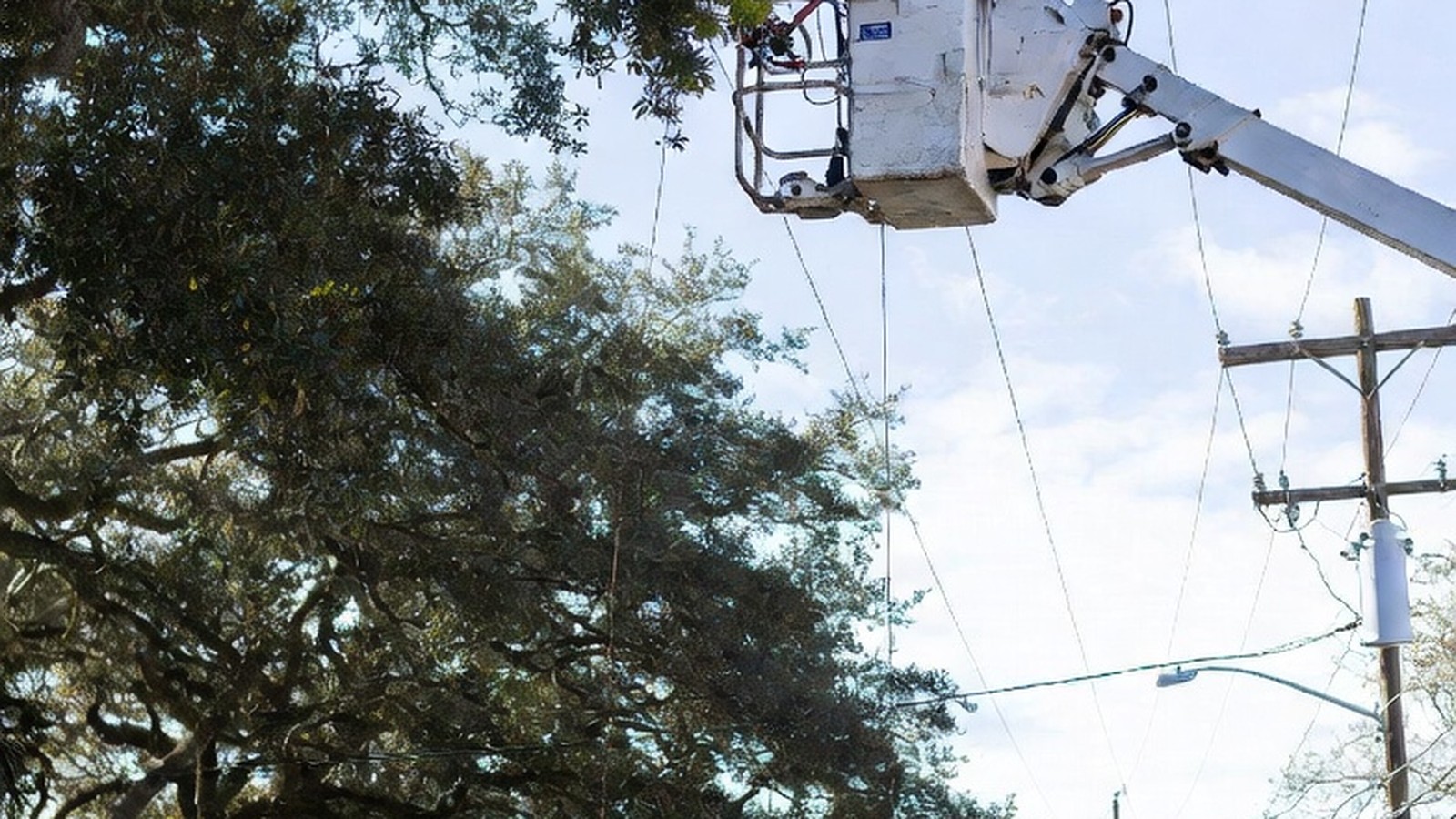
Tallahassee's urban tree canopy (one of its defining qualities) creates an ongoing tension with overhead utility infrastructure. Live oaks, water oaks, and other large canopy trees over-arch roads and power lines throughout the city. After every significant storm, line failures from tree contact are the primary cause of extended outages.
Managing trees near utility lines involves multiple parties: property owners, the utility (Florida Power & Light or Talquin Electric, depending on your area), and the city or county for trees in the right-of-way. Understanding who controls what is the first step to addressing a line-clearance concern.
Who's Responsible for What
Utility line clearance: The electric utility has legal authority to maintain clearance around their distribution and transmission lines. They hire line-clearance contractors who prune or remove trees that pose a risk to the lines. You don't pay for this work when it's on utility-controlled infrastructure.
However: utility line-clearance crews are not arborists. They're focused on maintaining clearance, and the result is often directional pruning that leaves trees lopsided, or removal of trees that could have been managed more conservatively. You have limited control over what the utility does with trees near their lines on or near your property.
Trees on your property: You own the trees on your property and are responsible for their maintenance. If a tree on your property grows into utility lines, the utility may notify you or prune it, but you can also proactively manage it.
Right-of-way trees: Trees in the public right-of-way (typically the strip between the sidewalk and the street, or the area within the road right-of-way) are under city or county jurisdiction. Tallahassee has an urban forestry department that manages right-of-way trees. Significant work on right-of-way trees usually requires city involvement or approval.
What You Can and Can't Do
Pruning on your property toward lines: Property owners can prune branches growing from their trees that are approaching utility lines, up to the property line. You cannot work on the utility lines themselves or attach anything to utility poles.
Live oak protection: Tallahassee has a tree protection ordinance that applies to live oaks above a certain size. Removing a live oak requires a permit, even when it's creating a utility conflict. Line-clearance pruning by the utility is generally exempt from these requirements, but removal or major work initiated by the property owner is not. An arborist can advise on what's allowed and what requires a permit in your specific situation.
Tree removal under lines: If a tree on your property is positioned under or near utility lines and is growing toward them, removing it before it becomes a serious conflict is often the most practical long-term solution. This requires the same permits as any tree removal in Tallahassee.
The Problem With Utility Pruning
Directional pruning by utility line-clearance crews (cutting all growth on one side toward the lines while leaving the other side) creates structural imbalance in the tree. Large lateral branches removed on one side leave the tree structurally asymmetrical, which can increase failure risk on the remaining side during storms.
Additionally, line-clearance cuts often don't follow arboricultural best practices. Large cuts made at non-optimal positions (rather than at branch unions) can leave the tree vulnerable to decay at wound sites.
The best long-term solution for trees that are consistently creating utility conflicts is usually removal and replacement with a lower-growing species that won't create the same problem. There are crape myrtles, hollies, redbuds, and other small to medium trees that provide landscape value without growing into distribution lines.
Tree Planting Near Lines: The Right Approach
If you're planting near overhead utility lines:
- Stay below the line: Plant species that mature at a height comfortably below the utility line level
- Small trees for small spaces: Many excellent trees naturally stay under 20-25 feet, crape myrtle varieties, eastern redbud, yaupon holly, wax myrtle, dahoon holly, American beautyberry
- Check the mature size before planting: The most common cause of utility conflicts is planting the wrong size tree in a tight space
Planting a live oak or water oak under or near a utility line creates a problem that will recur for the life of the tree.
When to Call a Professional
If branches are actively in contact with lines: Don't attempt to prune branches in contact with utility lines yourself. Contact the utility to notify them of the conflict. For work on your property that's approaching (but not in contact with) lines, a tree service trained in line-clearance work can manage the pruning appropriately.
For a tree removal near lines: Tree removal within striking distance of utility lines requires specialized equipment and technique. A bucket truck or crane may be necessary, and the work needs to be coordinated to avoid contact during removal.
Line clearance or tree work near utilities in Tallahassee? Call (850) 570-4074 or request an estimate online.