How Do You Know When a Tree Needs to Come Down?
Trees are one of the best parts of living in Tallahassee. The live oaks draped in Spanish moss, the towering pines, the magnolias, they make this city beautiful. But sometimes a tree goes from being an asset to being a hazard, and knowing when that happens can save your property and keep your family safe.
Here are the warning signs we see most often on jobs across North Florida.
Dead or Dying Branches at the Top
If the crown of your tree (the top portion) is losing branches or the leaves are thinning out significantly, that's often a sign the tree is declining from the inside. A healthy tree pushes growth outward and upward. When that stops, something is wrong.
What to look for:
- Large dead branches in the upper canopy
- Leaves that are smaller, fewer, or discolored compared to previous years
- Bark falling off in patches with no new growth underneath
Leaning More Than It Used To
All trees have some natural lean. But if you notice your tree leaning more than it used to (especially after a storm) that could mean the root system is compromised. A tree that's actively shifting is a serious hazard.
If you see cracked or heaving soil on the side opposite the lean, call a professional immediately. That tree could come down without warning.
Fungus, Mushrooms, or Soft Spots at the Base
Mushrooms growing at the base of a tree or on the trunk itself usually mean there's internal decay. The wood inside is rotting, even if the outside looks fine. Soft, spongy areas on the trunk are another red flag.
This is one of the trickiest signs because the tree can look perfectly healthy from a distance while being hollow inside. We've taken down trees that looked solid but were completely rotted through, one good storm and they would have come down on their own.
Storm Damage That Won't Recover
Tallahassee gets hit with serious storms, hurricanes, thunderstorms with straight-line winds, and the occasional tornado. After a storm, some damage is cosmetic and the tree will recover. But if a tree has:
- Lost more than 50% of its canopy in one event
- A split trunk or major structural crack
- Hanging limbs caught in other branches ("widow makers")
...it's usually better to remove it than to try to save it. A structurally compromised tree is unpredictable.
Roots Damaging Your Property
Tree roots can crack foundations, lift sidewalks, invade sewer lines, and damage driveways. If a tree's roots are causing ongoing property damage and there's no way to manage it with root pruning, removal may be the best long-term solution.
When in Doubt, Get a Professional Opinion
Not every problem tree needs to come down. Sometimes pruning, cabling, or other tree care can extend its life safely. That's why we always recommend getting a professional assessment before making a decision.
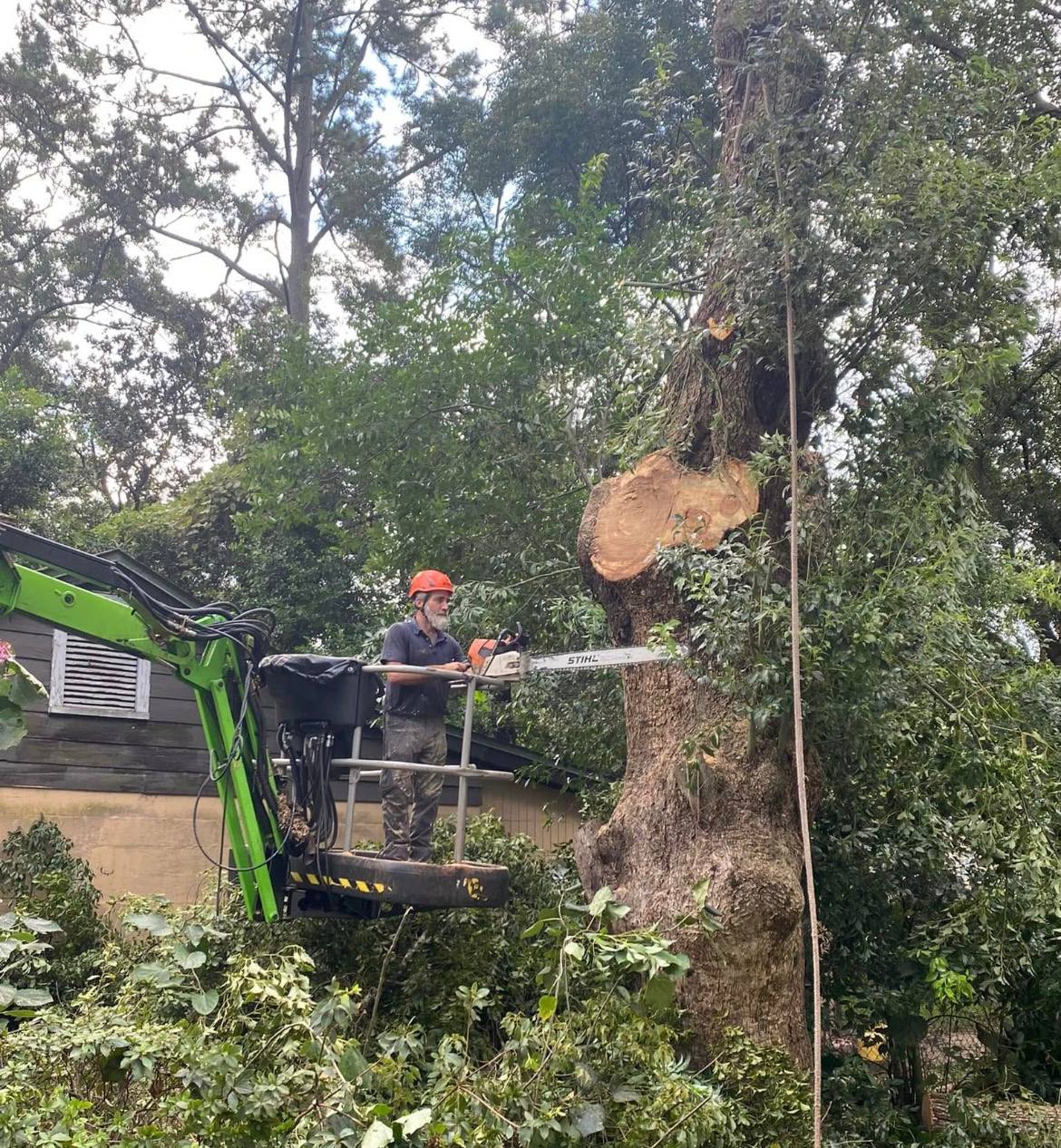
At Reed Tree Service, we'll give you an honest evaluation. If the tree can be saved, we'll tell you. If it needs to come down, we'll explain why and give you a fair quote. No pressure, no upselling, just straight talk from a crew that's been doing this for over 10 years.
Need a tree evaluated? Call us at (850) 570-4074 for a free estimate, or request one online. We serve Tallahassee and communities across North Florida and South Georgia.