What Actually Changes When a Large Tree Comes Down
Removing a large tree is a significant property change, not just the visual absence of the tree, but real changes to how your property functions. Understanding what to expect helps you adapt.
Light
The most immediate and significant change. A large mature tree (particularly a wide-spreading live oak or water oak) provides substantial canopy shade over a significant area. When it's gone:
What gets more sun: Areas under the canopy that were previously shaded will get direct sun. In North Florida, this is most noticeable in summer, areas that were cool, shaded, and protected from afternoon heat will now receive full sun.
Lawn response: Grass that adapted to shade may struggle in full sun, and lawn areas under deep canopy shade often have patchy, thin turf. After tree removal, you may need to reseed with sun-tolerant grass varieties.
Garden response: Shade-loving plants under the removed tree's canopy will be stressed. Sun-tolerant species can be introduced as the area adapts.
Home cooling: If the removed tree shaded west-facing walls or the roof, you may notice increased summer cooling load. Replacement planting on the same exposure will eventually recover this benefit.
Wind
Large trees provide significant windbreak. After removal, areas previously sheltered may receive more wind:
Structures: If the removed tree provided shelter for a patio, screened enclosure, or outdoor living area, that area may now receive more direct wind.
Remaining trees: Trees that grew in the windbreak of the removed tree may be more exposed to prevailing winds than they were before. This is a reason to assess neighboring trees after a significant removal, they may now have less structural stability in wind than previously.
Drainage
Mature trees use significant water, a large live oak transpires hundreds of gallons of water per day during the growing season. After removal:
Groundwater rise: In some areas, removing a large tree allows the water table to rise seasonally. This is usually minor in well-drained North Florida soils but can be relevant on lower-lying lots.
Runoff patterns: The tree's canopy previously intercepted rainfall, spreading it and slowing runoff. Without the canopy, rainfall reaches the ground more directly, which can affect drainage patterns on properties with slopes.
What to Do with the Space
Stump grinding: If you haven't already, stump grinding below grade is the necessary first step before any replanting or lawn restoration in the area.
Root decay: The old root system will decay over several years. In soil where large roots are decaying, settling can occur around the old root mass area. Plan any hardscaping (patio installation, walkways) with this in mind if it's in the former root zone.
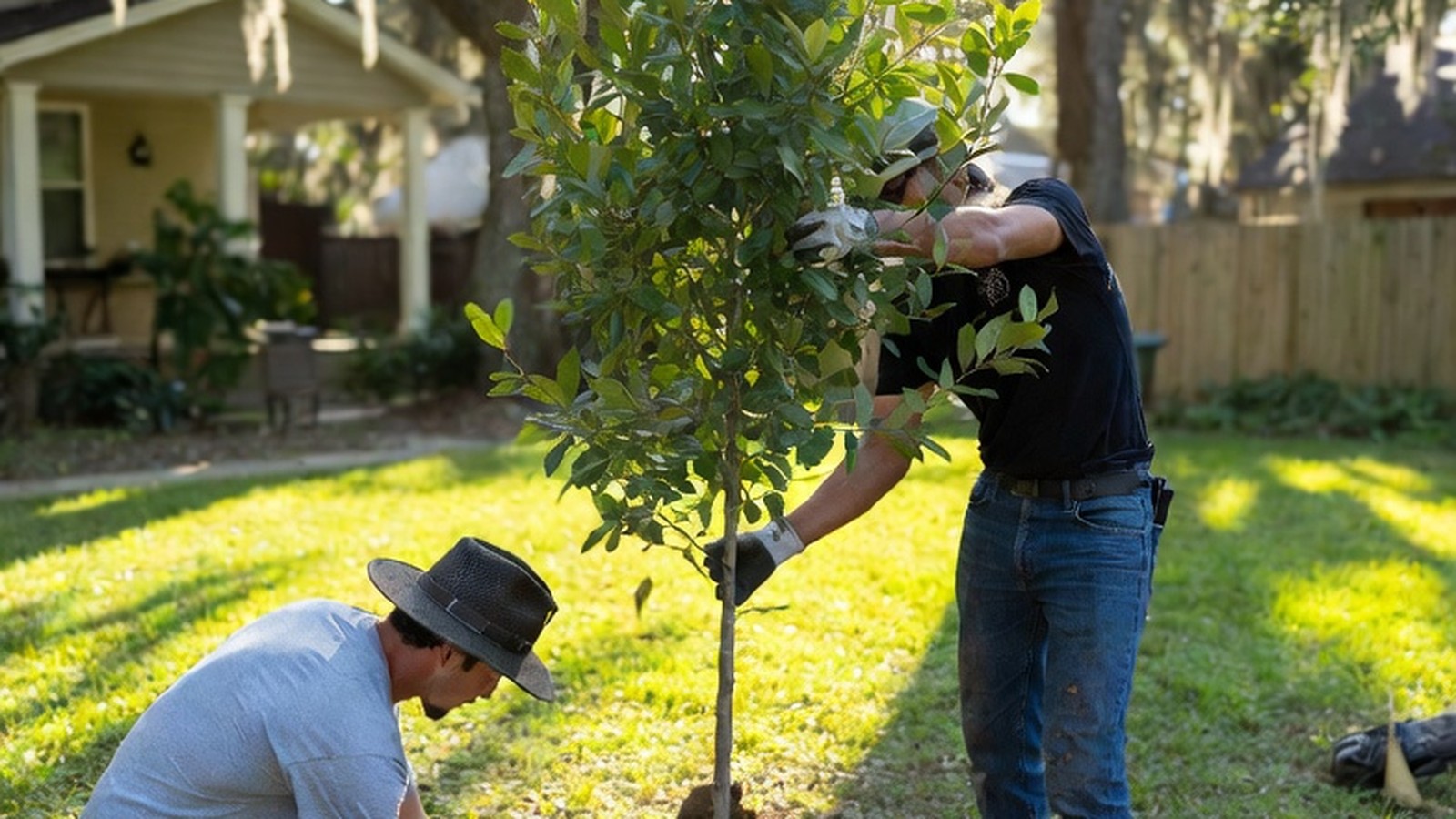
Replanting: If you want to restore shade and canopy, replanting in the general area is the right approach, not necessarily in the exact same spot. See our replanting guide for species selection and placement guidance.
Lawn restoration: Reseed or resod the area as appropriate for the new light conditions. If the area goes from shade to full sun, use sun-tolerant turf varieties.
Questions about planning around a tree removal? Call (850) 570-4074 or request a consultation online.