Two Very Different Trees
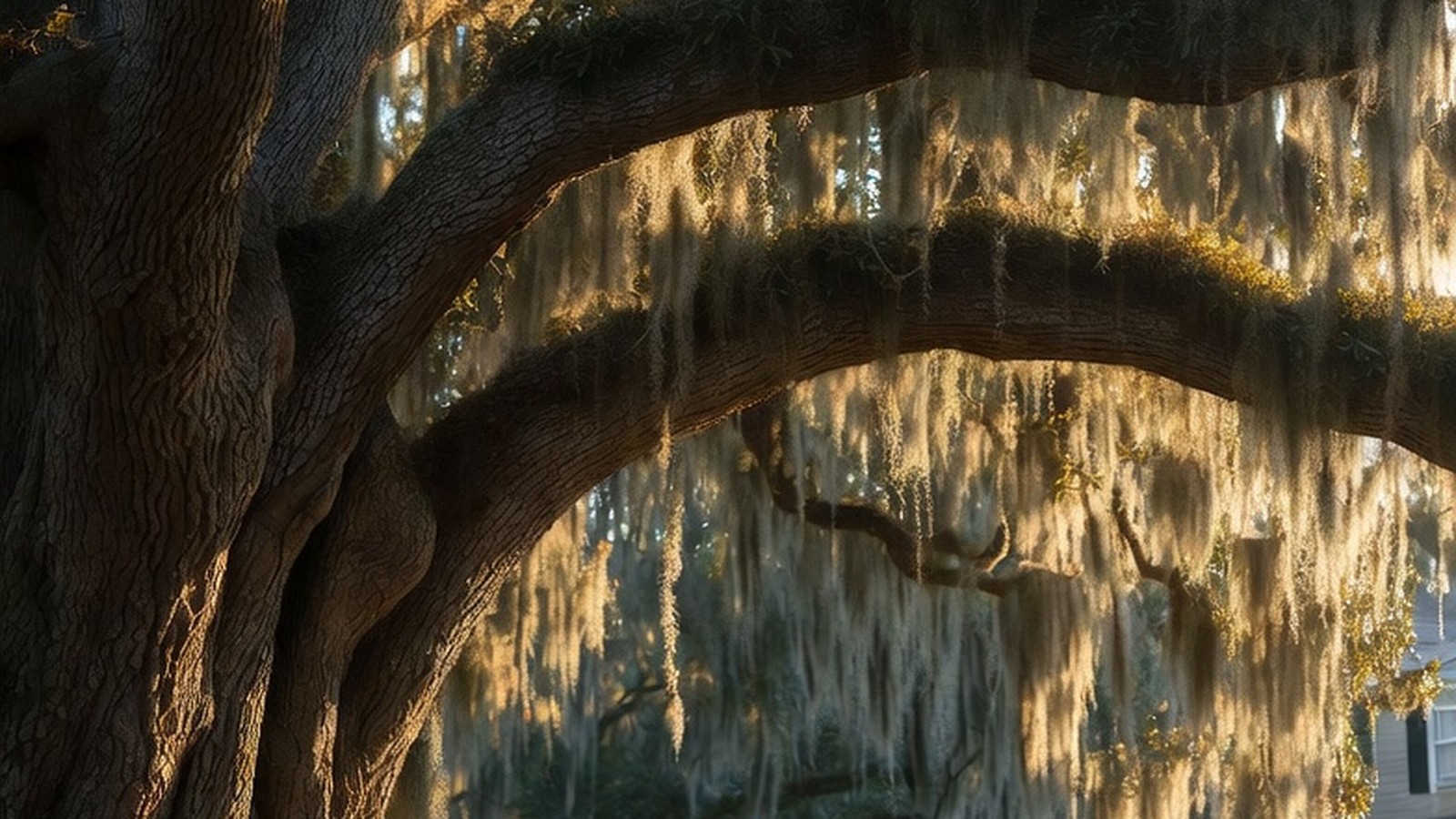
If you ask most Tallahassee residents what a "big old oak" looks like, they'll describe a live oak, the broad, spreading, semi-evergreen icon of North Florida. But a large portion of the oaks in Tallahassee's residential neighborhoods are water oaks, which have a very different growth pattern, lifespan, and risk profile.
Knowing which one you have (and what that means) is relevant for tree management decisions.
Live Oak (Quercus virginiana)
Identification: Semi-evergreen (drops leaves in late winter and immediately leafs out again in spring, barely leafless for 2-3 weeks). Dark green, leathery, elliptical leaves. Massive, spreading horizontal branches. Bark is rough and furrowed gray-brown.
Lifespan: Very long, 200-500+ years in good conditions. Live oaks in Tallahassee's canopy road areas include specimens estimated at 200-300 years old.
Root system: Deep-rooted in sandy, well-drained soils. Live oaks on well-drained upland sites are generally more stable than water oaks.
Growth rate: Moderate in youth, slowing with age. Not a fast tree by Florida standards.
Structural characteristics: Very strong wood. Live oak was historically prized for ship construction because of its density and strength. The branch unions are generally strong. Properly maintained live oaks can hold enormous canopies without structural failure.
Hazard profile: Low to moderate in healthy specimens. They do drop limbs and can have included bark issues in large specimens, but overall they're among the more structurally reliable large trees.
Value: High, both as landscape specimens (irreplaceable at 100+ years) and to wildlife. A mature live oak is a significant asset to any property.
Management: Permits required for removal or significant trimming in Tallahassee. See our live oak permit guide.
Water Oak (Quercus nigra)
Identification: Deciduous (drops all leaves in winter). Leaves are highly variable in shape on the same tree, some roughly oval, some lobed, some almost spatula-shaped (the "water droplet" shape). Bark is smoother and darker than live oak on young trees, rougher with age.
Lifespan: Short to moderate, typically 60-100 years. Some water oaks decline significantly by age 80. This is much shorter than live oak.
Root system: Water-seeking, aggressive surface roots. Extends broadly and seeks moisture. More likely to cause conflicts with driveways, pipes, and hardscape than live oak.
Growth rate: Fast. Water oaks grow considerably faster than live oaks, which is why they're common in residential plantings and urban settings.
Structural characteristics: Weaker wood than live oak. Water oaks are prone to internal decay that isn't visible from the outside, co-dominant stem failures, and significant storm damage.
Hazard profile: Higher than live oak, particularly as trees age past 60-70 years. The combination of internal decay, aggressive root spread, and weaker wood makes aging water oaks a significant risk category in storm events.
Value: Moderate. Fast-growing shade tree, good wildlife value (prolific acorn producer), but short-lived and higher-maintenance than live oak.
Management: No special permits required for removal in Tallahassee for typical residential sizes.
Practical Implications
Age assessment: A water oak that looks "mature and healthy" at 70 years old may have extensive internal decay. Live oak at 70 years is young. This matters enormously for hazard assessment, professional evaluation of a large water oak is more warranted than the same request for a live oak.
Near structures: Water oaks near structures warrant more attention than live oaks of comparable size, due to the faster decay rate, weaker wood, and aggressive root spread.
Removal decisions: For a declining water oak, the calculation around removal is different from a declining live oak. A water oak that's reached the end of its useful life is worth removing and potentially replacing with a live oak. A declining live oak of significant age warrants exploration of whether the condition is reversible before considering removal.
Storm season: Water oaks are over-represented in post-hurricane tree failures in Tallahassee. If you have large water oaks over structures or vehicles heading into hurricane season, they're worth a professional risk assessment.
Unsure what you're dealing with or need an assessment? Call (850) 570-4074 or request an assessment online.