

"Can I Move This Tree?"
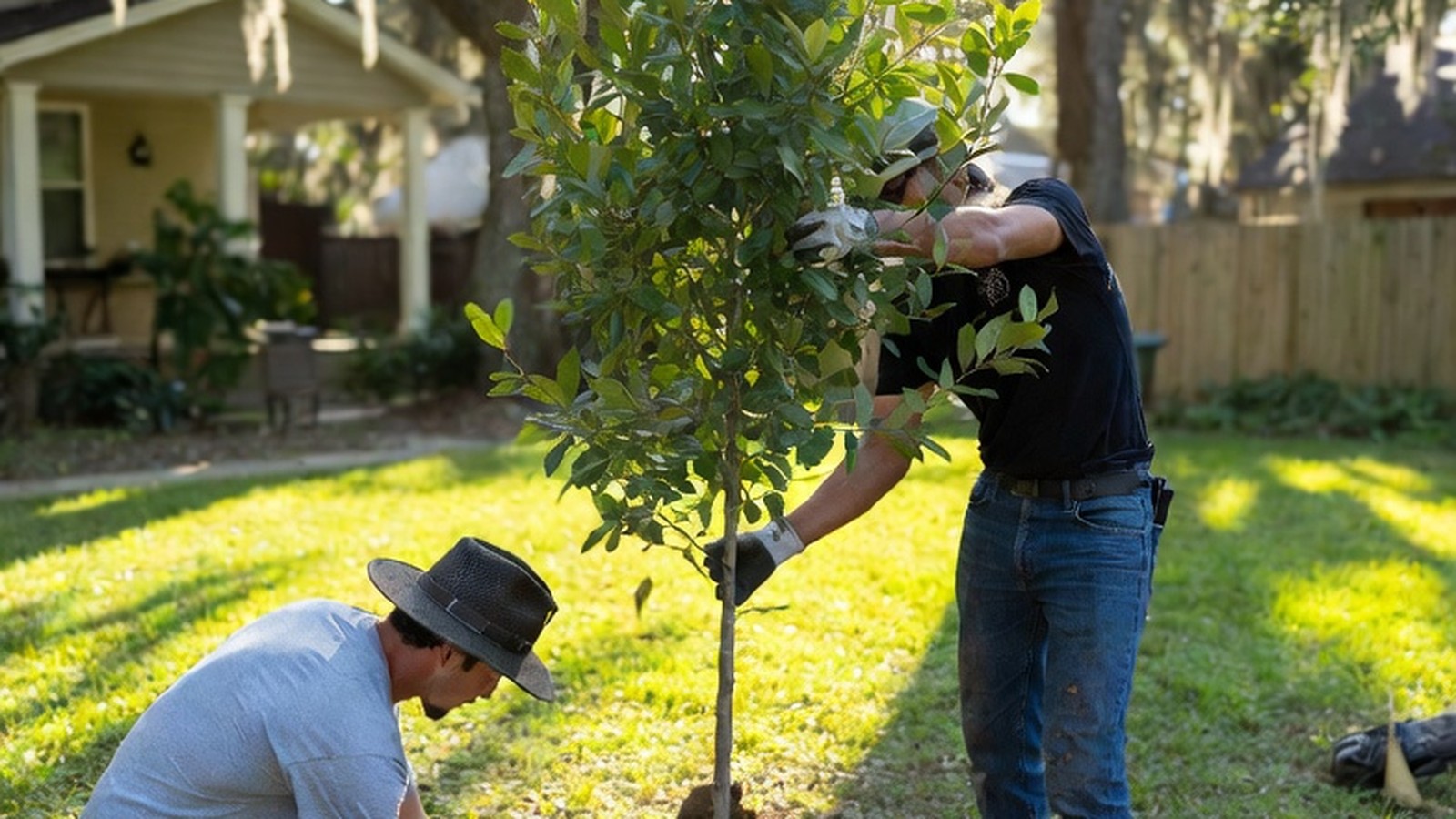
It comes up regularly. A homeowner planted a tree in a location that made sense at the time, but now they're building a fence, expanding a bed, or simply realizing the tree needs to be somewhere else. Can it be moved?
Sometimes yes. The answer depends on the tree's size, species, and the conditions on both ends of the move.
The Basic Rule: Smaller Is Better
The practical limit for tree transplanting in a residential setting is roughly caliper size (trunk diameter at 6 inches above ground). A 1-inch caliper tree can be moved successfully by experienced hands. A 2-inch caliper tree is on the edge of practical without specialized equipment. A 4-inch caliper tree requires a professional tree spade, a large machine that mechanically cuts and lifts a large root ball.
Why does size matter so much? When you dig up a tree, you lose root mass, sometimes the majority of the fine absorbing roots. A small tree survives this loss better because it has less above-ground structure to support with a reduced root system. A large tree going into stress from root loss while also trying to re-establish in a new location faces compounding challenges.
The honest assessment: Most residential transplanting attempts with trees above 2-3 inches caliper fail, or result in 3-5 years of stress before the tree recovers. That's a long commitment of care for uncertain outcome.
Species Considerations in North Florida
Some species transplant far better than others:
Easier to transplant:
- Crape myrtles: exceptional tolerance for transplanting at almost any size
- Hollies and most shrubby evergreens
- Loropetalum and other landscape shrubs
- Young, small specimens of most species within 1-2 years of initial planting
Moderate difficulty:
- Camellias and azaleas: can be moved if well-rooted and handled carefully
- Small oaks (under 2 inches caliper): stressful but doable with appropriate aftercare
- Magnolias: deep taproot makes it harder; smaller specimens transplant better
Difficult:
- Water oak and most large, fast-growing oaks
- Pines: tap-rooted species do not transplant well at any significant size
- Trees that have been in place for many years and have deep, established root systems
Timing
In North Florida, late fall through early spring (November through February) is the optimal window for transplanting. The reasons:
- Cooler temperatures reduce water stress on the tree during root establishment
- Most deciduous species are dormant or near dormant, reducing their water demand
- The wet season is still months away, but winter rains in North Florida are more reliable than summer drought
Avoid transplanting in summer heat, the combination of high transpiration demand and reduced root system is hard to overcome.
The Process
For a transplant that gives the tree a real chance:
Root pruning in advance: Ideally, cut the root system (a spade cut in a circle around the tree) 4-6 weeks before the actual move. This stimulates the development of new fine roots inside the cut zone, which will move with the tree.
Dig with a generous root ball: The larger the root ball, the more roots you preserve. A root ball 10-12 times the trunk diameter is the ISA guideline. This is heavy, a 2-inch caliper tree with a proper root ball weighs several hundred pounds.
Move carefully and quickly: The root ball should stay intact and moist. Moving a tree is not a "wedge it out and carry it by the trunk" operation, the root ball needs to be supported throughout.
Plant at the right depth: Same depth as it was in its original location. Planting too deep is the single most common transplant mistake, it smothers the root collar and leads to slow decline.
Mulch and water commitment: Watering schedule after transplanting is critical. See our watering guide for new trees in North Florida, the principles apply to transplanted trees too, and the establishment period is often longer than for a nursery tree.
When It's Not Worth It
Tree transplanting is labor-intensive and requires a serious aftercare commitment. Before committing, ask honestly:
- Is the tree worth the effort? A marginal tree in a difficult location may not be worth the work.
- Can you commit to the watering schedule for 12-18 months post-move?
- Is the new location genuinely better for the tree long-term?
If the answer to any of these is uncertain, the alternative is often to remove the tree and plant a new one in the desired location, a new nursery tree with an intact root system in a well-prepared planting hole will typically establish faster and with less risk than a stressed transplant.
We do tree transplanting as part of our planting services for appropriate candidates. If you're considering moving a tree and want an honest assessment, call us at (850) 570-4074 or request a consultation online.