The Root-Septic Problem
Tree roots and septic systems are a conflict that develops slowly, then causes expensive problems suddenly. Roots intrude into drain field pipes and tank inlet/outlet pipes over years (often without any visible surface signs) until the system backs up or fails.
North Florida is predominantly on well and septic (the dense development connected to municipal sewer is mostly limited to city cores), so this is a relevant concern for a large percentage of residential properties in the area.
How Root Intrusion Happens
Roots don't actively seek out pipes, they grow toward water and nutrients, and drain field areas and the area around septic tanks provide both. Once a root tip finds even a hairline crack or loose joint in a pipe, it enters and expands. Inside the pipe, roots grow rapidly in the moisture-rich environment.
The result over time: partial to complete pipe blockage, pipe damage from root pressure, and eventually system failure.
Trees Most Likely to Cause Problems
Willows are the most aggressive root intruders, but they're not common landscape trees in North Florida (they need consistent moisture). More relevant locally:
Sweetgum (Liquidambar styraciflua): Aggressive, wide-spreading root system. Common on moist, lower-lying lots throughout North Florida. Keep sweetgum well away from septic components, 50 feet minimum is often cited, though roots can travel further. See our sweetgum guide.
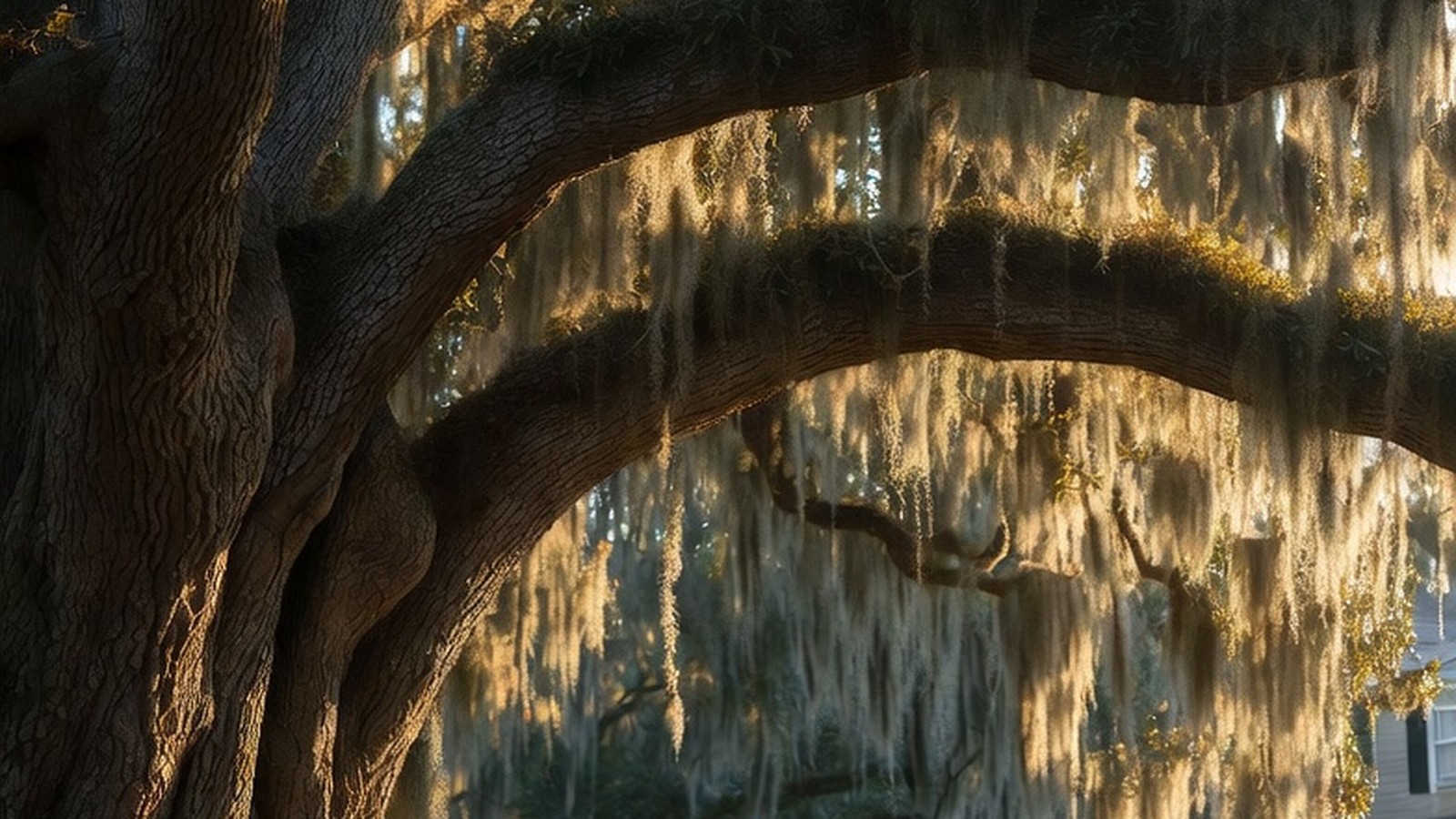
Live oak: Live oak roots spread extremely wide, a mature live oak's root system can extend 2-3 times its canopy radius. On lots where the septic system is within range of a mature live oak, root inspection may be warranted if problems develop.
Water oak: Similar root spread to live oak, shorter-lived. Less of a long-term concern because water oaks decline relatively early, but existing large water oaks near drain fields are worth noting.
Pines: Generally lower root intrusion risk than broadleaf trees, but large pines near septic components can contribute over time.
Chinese tallow and other invasives: Aggressive root systems, rapid growth. Remove invasive trees near septic systems promptly.
What the Safe Distance Is
The commonly cited minimum distances between trees and septic components:
- Septic tank: 10-15 feet (minimum) for most trees; more for aggressive species
- Drain field: 25-50 feet for most trees; more for willows, sweetgum, and aggressive species
- Perforated drain lines: 50+ feet for high-risk species
These are minimums, mature trees have root systems that extend well beyond their drip line. A mature live oak planted "safely" at 40 feet from the drain field 40 years ago may now have roots throughout the area.
Signs of Root Intrusion in a Septic System
- Slow drains throughout the house (not just one fixture)
- Gurgling sounds in pipes
- Wet, spongy areas over the drain field that persist after dry weather
- Sewage odor in the yard above the drain field
- System backing up or failing inspection
If you're seeing these signs, the root cause (literally) needs to be investigated by a septic service professional. Tree removal or root cutting can address the source, but the pipe damage typically needs repair as well.
Trees to Plant Near Septic Systems
If you need trees near your septic system, choose species with less aggressive root systems and keep them at appropriate distances:
- Crape myrtle: relatively compact roots, manageable near septic if kept 10+ feet from components
- Native cherry laurel, wax myrtle: smaller native shrub-trees with less aggressive roots
- Smaller ornamentals: any small ornamental species that won't reach significant size
Avoid planting any large, long-lived tree species directly over or adjacent to drain field areas.
Questions about trees near your septic system? Call (850) 888-5603 or request a consultation online.