Pre-Storm Season Trimming: The Actual Goal
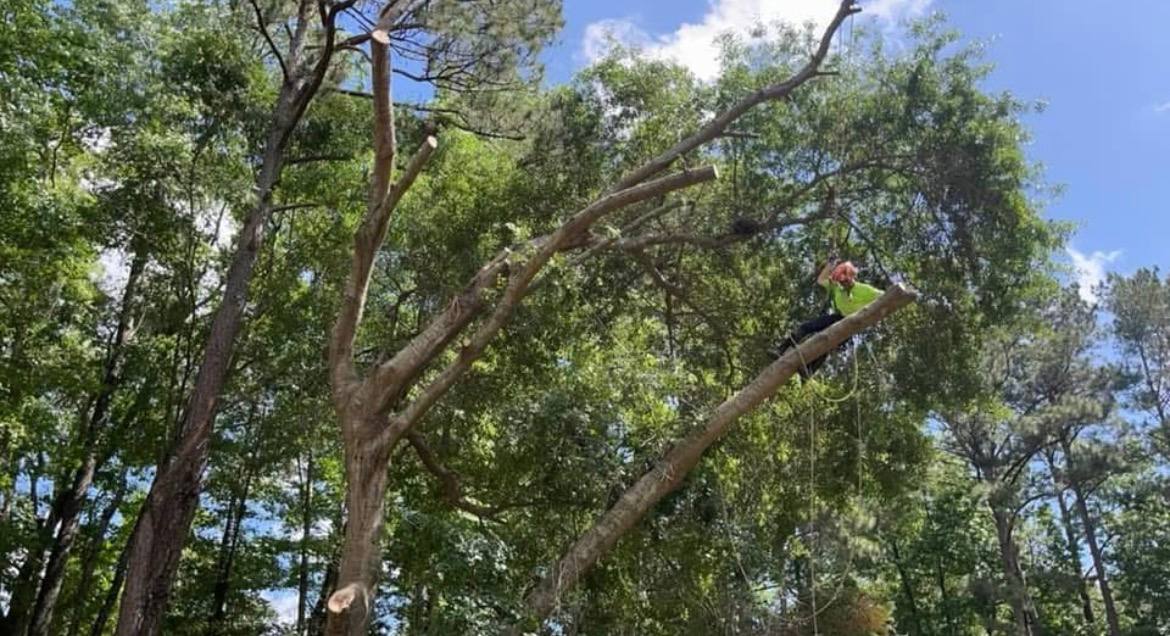
Pre-storm season tree trimming isn't primarily about making trees look neat. It's about three specific things:
- Removing dead wood before it becomes a projectile
- Reducing wind load in the canopy
- Identifying and addressing structural problems before they fail
If your tree service doesn't have a clear explanation of which of these they're addressing on your specific trees, that's worth asking about.
Deadwood Removal
Dead branches don't flex in wind the way living branches do. They're more likely to break off, and when they do, they fall without warning, not just during storms, but on calm days when wood fatigue finally reaches its limit.
Before storm season, a systematic crown cleaning to remove deadwood is the single most cost-effective thing you can do from a storm risk standpoint. It reduces debris, reduces falling hazard, and improves tree structure.
The amount of deadwood in the canopy of a healthy tree varies by species. Live oaks typically have less than 10-15% deadwood in a healthy canopy. More than that warrants investigation. Water oaks and pines can develop significant deadwood as they age.
Wind Load Reduction
A dense canopy catches more wind. Strategic thinning (removing crossing branches, interior congestion, and some outer foliage) reduces wind resistance without compromising the tree's overall health or structure.
This is different from "topping" a tree, which is harmful and should never be done. Crown thinning by a qualified arborist reduces wind load while maintaining natural form.
Structural Problems Worth Addressing
Before storm season is the time to deal with:
Co-dominant stems with included bark: two stems of roughly equal size competing at a tight angle. Under high winds, these can split. Cabling or removal of one stem before the season is the proactive approach.
Long, heavy horizontal limbs over structures: "lion's tails" (clusters of foliage at the ends of long horizontal limbs) create cantilevered weight that acts like a lever arm in wind. Reduction pruning shortens these limbs and brings weight closer to the trunk.
Previously damaged attachment points: limbs that were cracked or partially broken in prior storms and have healed over without structural repair. These are weak points that often fail again under future loads.
Timing in North Florida
The named storm season runs June 1 through November 30. Meaningful pre-storm work should be completed by late May at the latest. April and May are the practical window for pre-season trimming, before the summer heat and before storm activity begins.
If you missed the spring window and it's already summer, trimming is still worth doing, it's better to address structural problems mid-season than to do nothing. Just prioritize the most significant hazards.
Questions about pre-storm season tree work? Call (850) 570-4074 or request a consultation online.