North Florida's Oaks Are Not All the Same
The Tallahassee area and North Florida have more oak diversity than most homeowners realize. The region is in an ecological transition zone between the subtropical South and the temperate Southeast, which means multiple oak species coexist, and they behave very differently in terms of lifespan, storm resistance, and hazard potential.
Knowing which oaks you have matters for maintenance decisions.
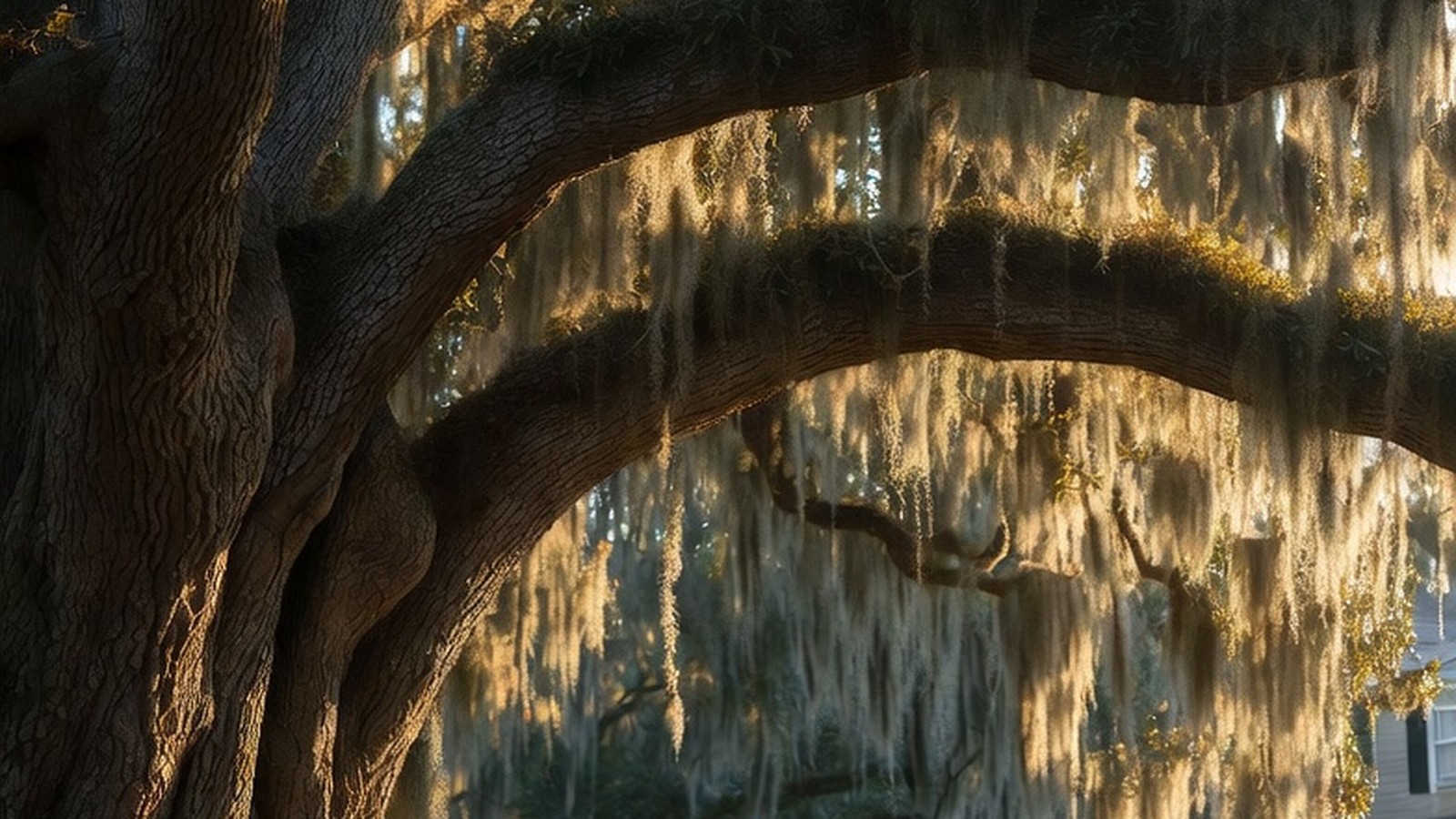
Live Oak (Quercus virginiana)
The defining tree of the North Florida landscape. Live oaks are:
- Semi-evergreen: they hold leaves through winter and drop in late February to April. This is normal, not a sign of disease.
- Long-lived: individual trees can exceed 500 years. Mature specimens represent decades to centuries of growth.
- Structurally superior: live oak wood is among the densest and strongest of any North American hardwood. Historic use in ship construction for this reason.
- Wide and spreading: mature live oaks have canopy spreads that can exceed their height, often reaching 60-80 feet wide.
Hazard profile: Generally low for structurally sound trees. The most common failure mode is co-dominant stems with included bark at major crotches, this creates a weak union that can split under load. Large cavities, root damage, or construction-related root zone compaction can compromise otherwise sound trees.
Tallahassee permits: Live oak removal within city limits requires permits. See our live oak permit guide.
Water Oak (Quercus nigra)
Water oaks are the most common residential lot oak in North Florida after live oak. They're fast-growing, typically round-crowned, and widely planted in subdivisions throughout the region.
What distinguishes them: Variable leaf shape (spatula, three-lobed, and narrow leaves all on the same tree), dark bark, rounded crown. Typically semi-deciduous, they hold leaves into winter but drop before live oaks do.
Lifespan: Shorter than live oak, typically 30-60 years at most. Water oaks planted in subdivisions developed in the 1970s-90s are now at or past their expected lifespan in many cases.
Hazard profile: Higher than live oak. Water oaks are prone to internal decay, often invisible until advanced. A water oak that looks fine from the outside can have significant hollow sections in the trunk or major limbs. Trees over 18 inches DBH that haven't been assessed professionally are worth having looked at, particularly those over structures.
The honest answer: Many water oaks in the 40-60 year range on North Florida residential lots are in late-stage decline. The practical decision is often removal and replacement with a better-suited species rather than expensive maintenance of a tree with limited remaining life.
Southern Red Oak (Quercus falcata)
A large, long-lived deciduous oak with deeply lobed leaves (bell-shaped base with pointed lobes). Southern red oaks are common on well-drained upland sites throughout North Florida.
Growth habit: More upright than live oak, with a distinct trunk and ascending branches. Loses leaves in fall like a classic deciduous tree.
Lifespan: Longer than water oak, can live 200+ years in good conditions.
Care considerations: Similar to live oak, structural pruning, crown cleaning, periodic professional assessment. Generally lower hazard than water oak but not maintenance-free on large specimens.
Turkey Oak (Quercus laevis)
A smaller, drought-tolerant scrub oak native to the sandhills of North and Central Florida. Turkey oaks have deeply cut leaves with pointed lobes resembling a turkey footprint.
Habitat: Dry, sandy upland sites, sandhills, scrub communities. On properties in well-drained areas outside Tallahassee's heavier clay soils.
Size: Typically smaller than live or red oak, usually 20-40 feet.
Considerations: Turkey oaks are native and ecologically important in their habitat. They're not typically structural hazards given their typical size, but like any tree, dead limbs and structural issues warrant attention.
Shumard Oak (Quercus shumardii)
A large deciduous oak with deeply cut leaves similar to southern red oak but with more pronounced lobes. Shumard oaks are increasingly planted as a landscape species because of their good form, fall color, and adaptability to urban conditions.
Why it's worth knowing: Nursery-planted Shumard oaks on residential properties in the Tallahassee area are now reaching mature size, 50-70 feet tall, 40-60 feet wide. At this size they need the same professional attention as other large oaks.
When Oak Species Matters for Tree Work
Permit requirements: In Tallahassee, only live oaks have specific permit requirements. Other oak species are subject to the general city tree ordinance for significant trees, but the special protections and permit requirements apply specifically to live oaks.
Removal timing: Water oaks in decline (the most common removal scenario) can often be done year-round. Oaks with heavy mistletoe infestation, significant cavity formation, or root crown disease are typically better removed sooner than later.
Replacement species: When an oak comes down, choosing an appropriate replacement matters. See our replanting guide and native species guide for options.
Questions about the oaks on your property? Call (850) 570-4074 or request an assessment online.