North Florida Trees Are Different
If you've moved to the Tallahassee area from the Mid-Atlantic, the Midwest, or the Pacific Northwest, the trees here may behave in ways that seem strange. Some of the surprises are just regional ecology; some have practical implications for property owners.
Here's what to know.
Live Oaks: The Dominant Tree
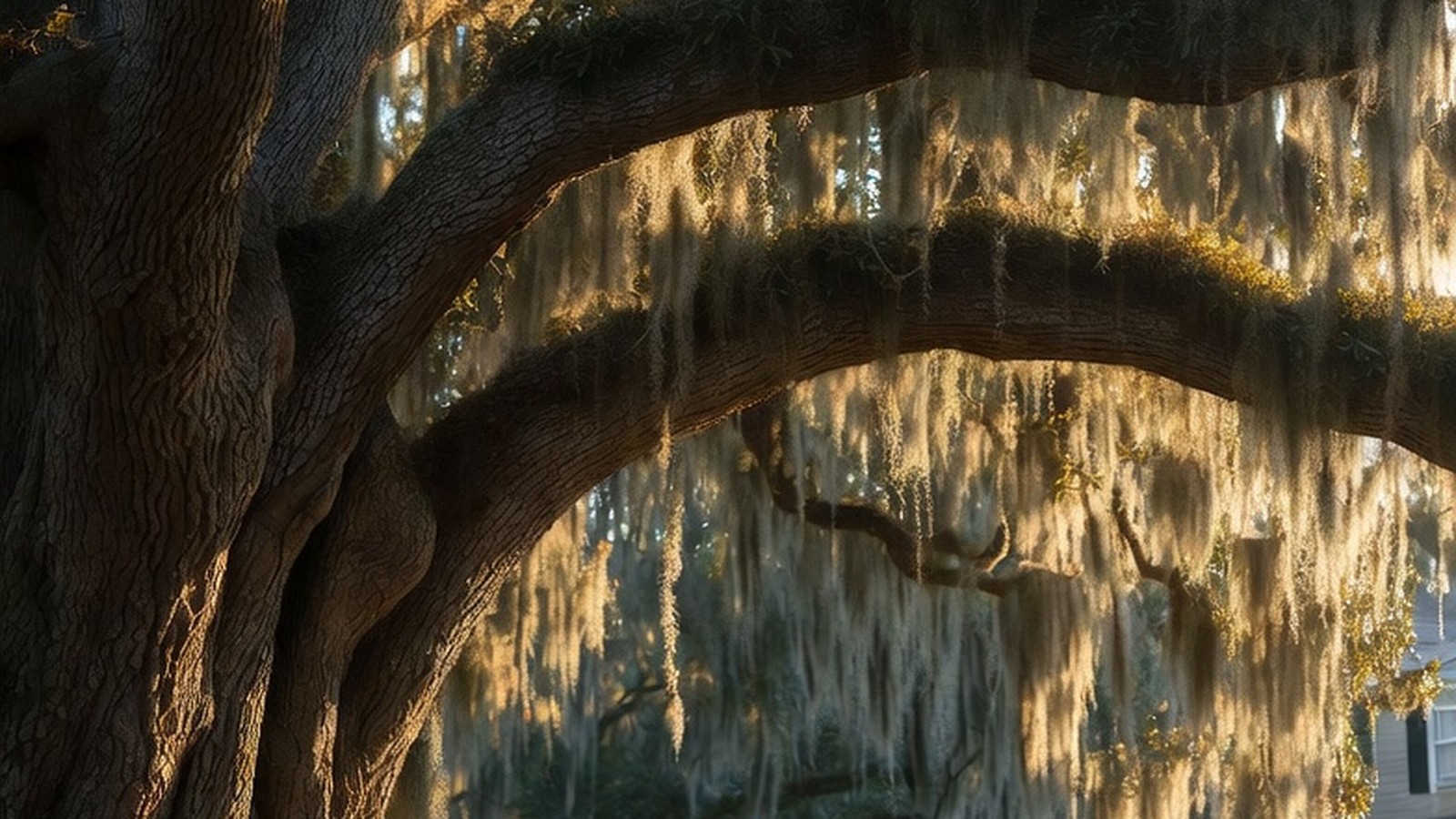
The live oak (Quercus virginiana) defines the North Florida landscape. If your property has established live oaks, you have enormously valuable trees, not just aesthetically, but structurally and ecologically.
They drop leaves in spring, not fall. This is the single most common new-resident concern. Live oaks are semi-evergreen; they hold their leaves through winter and exchange them in late February through April. The spring leaf drop is normal, annual, and usually only lasts 2-4 weeks. See our live oak spring leaf drop guide.
They require permits to remove in Tallahassee. The city of Tallahassee has a tree ordinance that protects significant live oaks. Before removing any live oak, check permit requirements. See our live oak permit guide.
They need respect, not aggressive maintenance. Healthy live oaks need very little intervention. Don't top them, don't prune them heavily, don't compact their root zones. They're among the longest-lived trees in North America, treat them accordingly.
Spanish Moss Is Not Hurting Your Trees
If you're seeing gray-green draping moss on your live oaks and wondering if it's killing them, it isn't. Spanish moss is an epiphyte (air plant) that uses trees for support but doesn't extract nutrients. It's normal, regional, and not worth removing unless you have an aesthetic preference. See our Spanish moss guide.
The Trees That Are Problems
North Florida has several tree species that look like regular landscape plants but are invasive or short-lived nuisances:
Mimosa (Albizia julibrissin): Pink flowers, feathery leaves. Common in older landscapes. Invasive, short-lived, weak wood. See our mimosa removal guide.
Chinese tallow (Triadica sebifera): Good fall color, heart-shaped leaves. Very invasive, displaces native plant communities. See our Chinese tallow guide.
Chinaberry (Melia azedarach): Purple flowers in spring, yellow berries in fall/winter. Invasive and the berries are toxic to dogs, cats, and children. See our chinaberry guide.
These are worth removing, not maintaining.
Pine Trees: Monitor for Bark Beetles
North Florida's pines (loblolly, longleaf, slash) are beautiful but susceptible to southern pine bark beetle when stressed. A pine turning brown from the top down, especially with frass tubes or pitch on the bark, is often a bark beetle infestation and there's typically no recovery. Prompt removal of infested pines prevents the beetle population from spreading to neighboring healthy trees. See our pine tree guide.
Hurricane Season Is Real
If you haven't lived in a hurricane-risk zone before, Florida's storm season runs June through November. The practical implication for trees: significant wind events happen, and trees in poor structural condition fail during storms.
Pre-season tree assessment (April-May) identifies hazard trees before storm season. A dead tree over your back porch that falls during a storm costs multiples more to address than removing it pre-season. See our hurricane season checklist.
Gopher Tortoises: Genuinely Protected
Florida gopher tortoises (Gopherus polyphemus) are a threatened species protected under Florida law. Their burrows are also protected, it's illegal to disturb or destroy a burrow. If you have burrow-looking mounds in your yard (2-3 foot wide, crescent-shaped mound at the entrance), there may be tortoises on your property.
This matters for any digging, land clearing, or significant work that might disturb burrow areas. See our gopher tortoise guide.
When to Call Us
Any time you're uncertain about a tree (whether it's a hazard, what species it is, what's affecting it, or what the right maintenance is) call us. Assessment calls are part of the service; we'd rather answer your questions than have you make a decision based on incomplete information.
Questions about the trees on your North Florida property? Call (850) 570-4074 or request an assessment online.